

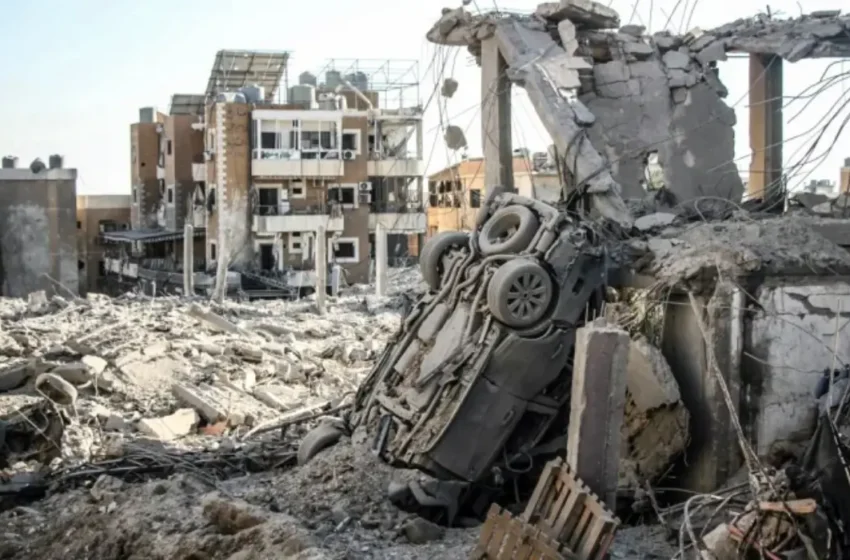
UN Doubles Lebanon Aid Appeal to $640M as Israel War Fuels Humanitarian Crisis
UN doubles Lebanon humanitarian aid request as country struggles under the impact of the Israeli offensive against Hezbollah, according to UN news sources, Friday morning. The UN has requested close to $640 million of aid for the six-month period, reflecting an urgent rise in humanitarian requirements due to an emergency situation brought about by Israel’s war with Hezbollah in Lebanon.
This immediate appeal for funding comes against the backdrop of worsening humanitarian conditions in Lebanon, whereby displacement, damage to infrastructures, and shortages in essential services have become critical. This appeal is directed toward helping the estimated 1.4 million Lebanese—equivalent to a fourth of Lebanon’s population—that urgently need aid.
The Scale of the Humanitarian Emergency
Surging Needs Across All Sectors
This new appeal for humanitarian aid by the United Nations highlights the growing need for such aid. Previously, the financial appeal made was relatively smaller in comparison, but now, due to the increased violence that has resulted in further consequences, the agency heads have been compelled to ask for more resources. The $331.5 million that is being sought above previous appeals is indicative of this growing humanitarian challenge.
This crisis goes beyond merely ensuring immediate survival. Rather, it includes issues of stability, the safeguarding of vulnerable communities, and the avoidance of additional collapse within Lebanese society, a society that has been struggling for years due to political instability, economic problems, and the 2020 Beirut port explosion.
Displacement and Shelter Pressures
One of the most tangible effects of the war includes the increasing trend of displacement. People are leaving homes due to bomb strikes in the south of Lebanon as well as other locations, heading towards sheltered locations like packed shelters, schools, and refugee camps. Displacements have occurred repeatedly for many families, wearing thin the coping abilities of families and leaving them without resources.
According to the reports of UN and associated organizations, schools are becoming shelters for refugees, thus hampering the educational activities of hundreds of thousands of children. The double responsibility of schools to serve as shelters, along with being schools, has put them in difficult situations.
Health System Under Severe Strain
Healthcare delivery in Lebanon, which is already weakened by years of economic collapse and past violence, is now under severe strain. Clinics and hospitals in the affected regions have been damaged, shut down, or severely incapacitated because of the lack of staff, fuel, medication, and equipment.
There is currently an influx of trauma patients in many places where healthcare facilities are overwhelmed, whereas regular health services such as pregnancy care, vaccination programs, and other non-emergency health issues have been significantly hampered.
Food Insecurity and Basic Needs
There has been a significant rise in the number of cases where people have become food insecure because of job losses, disruptions in supply lines, and increased food prices in light of the war. People have reported skipping meals, lowering their portion size, or living on handouts from distribution centers. The UN humanitarian response plan consists of life-saving interventions, including food aid, cash, and nutrition programs that would help to ensure that famine does not take hold.
Key Statements from UN Leadership
UN officials have emphasized that the humanitarian toll of the conflict demands immediate global action. In announcing the updated appeal, the UN stressed that
“solidarity in words must be matched by solidarity in action,”
underscoring the need for donors to move beyond rhetoric and provide the funding necessary to save lives.
OCHA, the UN Office for the Coordination of Humanitarian Affairs, described the situation as “severe and worsening,” highlighting that the coping capacities of affected populations are rapidly eroding. The agency warned that without rapid funding, the humanitarian crisis could spiral further out of control, with long-term consequences for Lebanon’s stability.
The UN’s framing makes clear that this is not just a regional emergency but a test of the international community’s commitment to protecting civilians in war.
“The UN is seeking an additional $331.5 million to tackle a worsening humanitarian crisis in Lebanon,”
officials stated, while noting that fresh Israeli strikes on southern Lebanon continue to drive new waves of displacement and destruction.
The Geopolitical Context: Israel’s War and Hezbollah
Lebanese humanitarian crisis cannot be separated from a larger context, such as the regional conflict between Israel and Hezbollah. In the last few months, Israel’s offensive military actions and attacks against Lebanon have escalated and resulted in loss of lives among civilians, damaged infrastructure, and even forced mass migration.
The Hezbollah, which is a group backed by Iran as both armed forces and political party, has become the main target of Israeli bombings. The conflict has already affected civilians because of the absence of clear distinction between military objectives and populated zones.
Thus, humanitarian aid provision becomes very difficult because of several factors, such as ongoing conflict, dangerous security conditions, and destruction of infrastructure.
Funding Gaps and the Race Against Time
Even though the UN has raised its call to double efforts, previous lack of funding has restricted the magnitude of humanitarian response initiatives. In an earlier part of the year, the UN and the Government of Lebanon had started a $371.4 million Flash Appeal in order to enhance the life-saving efforts that were being offered to the civilians who were suffering because of the conflict and the crisis.
The new $640 million appeal seeks to close these gaps and scale up assistance to meet the dramatically increased needs. It covers six months of humanitarian operations and targets all major sectors, including:
- Food assistance and nutrition support
- Emergency shelter and non-food items
- Health services and medical supplies
- Water, sanitation, and hygiene (WASH)
- Education in emergencies
- Protection services for women, children, and displaced persons
Without swift donor response, the UN warns that aid programs will be forced to cut coverage, reduce rations, or close facilities entirely, deepening the crisis.
Impact on Vulnerable Groups
Women and Children
The burden of the crisis is borne more heavily by women and children than anyone else. Displaced women are particularly vulnerable to gender-based violence, limited access to reproductive health care, and the extra strain of taking care of children. Displaced children struggle with disrupted learning, hunger, emotional distress, and instability. Protection measures adopted by the UN include safe spaces for women and girls, child-friendly spaces, psychosocial support, and prevention of child labor and early marriages.
Internally Displaced Persons (IDPs)
These individuals belong to some of the most vulnerable populations; many are forced to live in overcrowded temporary housing or camps without basic necessities. Displacement on multiple occasions has made these people resourceless and completely reliant on assistance from outside agencies. Providing temporary shelter and essential non-food items is one way through which the UN hopes to give displaced people a sense of dignity.
International Response and Donor Responsibilities
The UN’s updated appeal is a direct call to the international community to mobilize resources quickly. Donor countries, humanitarian organizations, and private Sector actors are urged to contribute to the flash appeal to prevent further deterioration.
The UN emphasized that
“the country reels from Israel’s war against Iran-backed Hezbollah,”
and that the humanitarian consequences are no longer manageable without significant external support. The appeal is designed to be rapid, flexible, and focused on saving lives in the immediate term while laying groundwork for early recovery.
What Happens If the Appeal Is Not Funded?
If the $640 million appeal remains underfunded, the consequences could be severe:
- Food assistance rations will be cut, increasing hunger and malnutrition
- Health facilities may close or reduce services, leading to preventable deaths
- Displaced families will lose access to shelter and essential non-food items
- Education disruptions will long-term, increasing dropout rates
- Protection risks for women and children will rise sharply
The UN has warned that delaying action now will only increase the cost—both human and financial—of the response later.

