




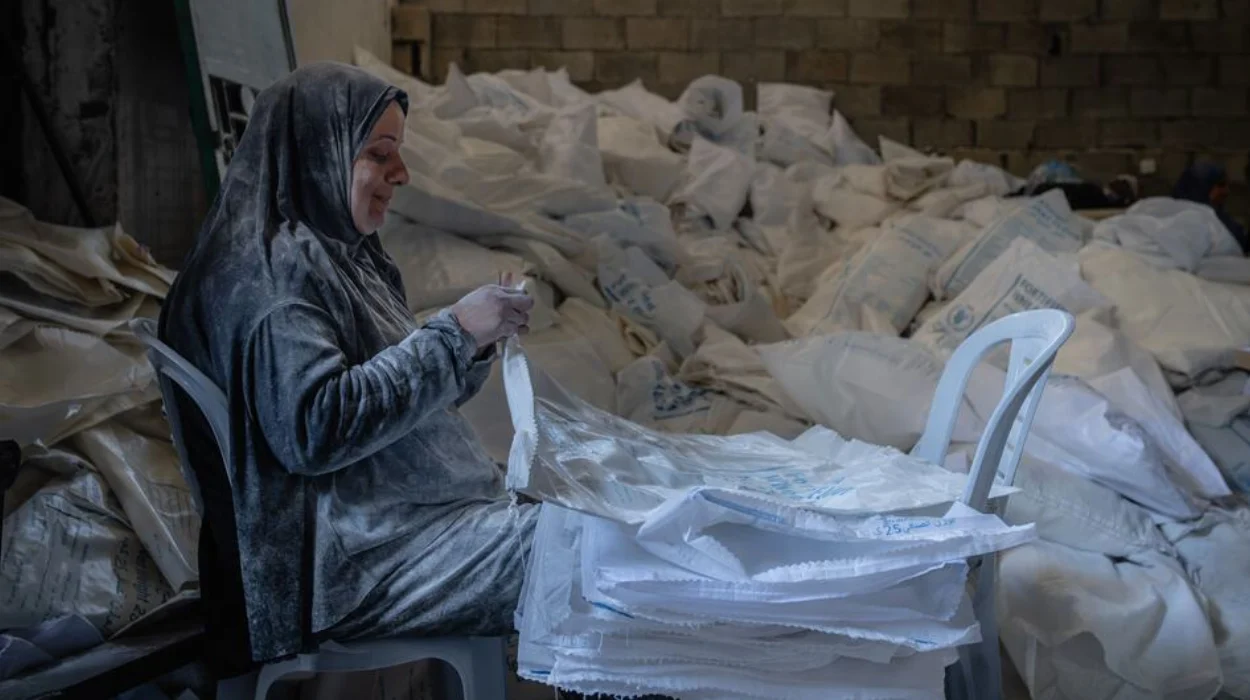
Gaza War’s Disproportionate Toll: 38,000 Women and Girls Lost
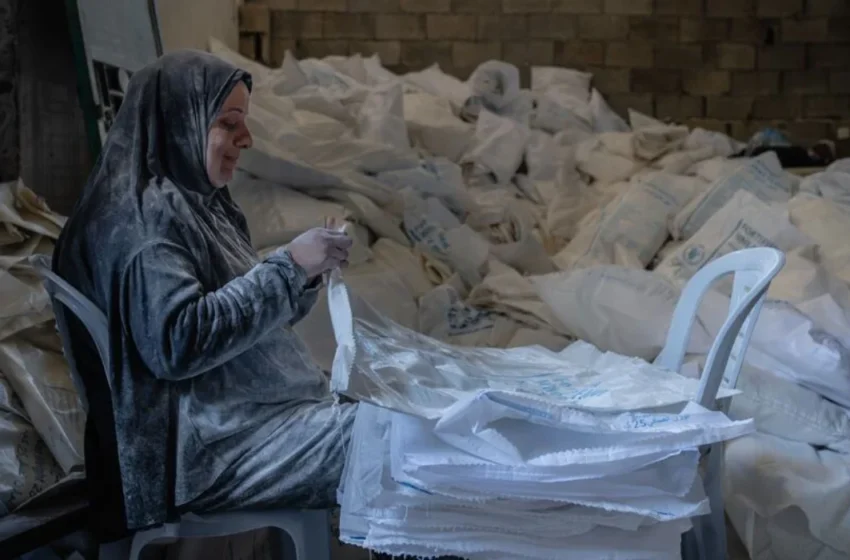
The Gaza War Disproportionate Toll is continually characterized by the magnitude of the effects on women and girls, and there


The empowerment and autonomy of women and the improvement of their political, social, economic and health status is a highly important end in itself.
Gender equality is not only a fundamental human right, but a necessary foundation for a peaceful, prosperous and sustainable world. There has been progress over the last decades: More girls are going to school, fewer girls are forced into early marriage, more women are serving in parliament and positions of leadership, and laws are being reformed to advance gender equality.
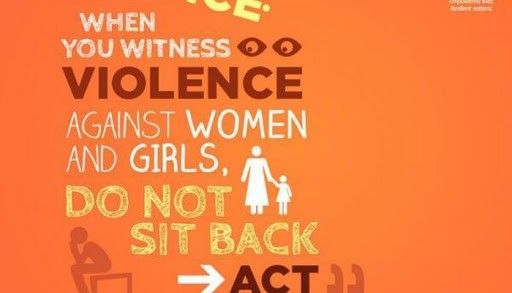
Despite these gains, many challenges remain: discriminatory laws and social norms remain pervasive, women continue to be underrepresented at all levels of political leadership, and 1 in 5 women and girls between the ages of 15 and 49 report experiencing physical or sexual violence by an intimate partner within a 12-month period.

The Gaza War Disproportionate Toll is continually characterized by the magnitude of the effects on women and girls, and there

Women are living longer than men across most regions, yet this longevity increasingly masks a deeper structural imbalance in healthcare

Endometriosis delays have emerged as a defining indicator of systemic imbalance in global healthcare systems. Affecting an estimated 190 million
