

China lifts peacekeeping budget share, UN sidelined?
The announcement by China of increasing its share in the peacekeeping budgets of the UN comes at an important point in time for the international organization, when the combination of funding difficulties, rivalry among great powers, and doubt concerning the relevance of UN mechanisms is becoming more and more evident. The decision is seen not only in terms of increased financial contribution to UN funds but also as a step toward a more prominent place for Beijing as a key player in the field of global governance, which has an increasing influence on the functioning of the organizations in question.
Timing is everything. The United Nations peacekeeping effort has been struggling for years due to smaller numbers of personnel, lingering operational weaknesses, and heightened political pressure from big nations. In this context, China’s greater participation becomes significant since it lends weight to an institution that many believe is becoming ever more susceptible to financial and political strain. The general message about how international organizations such as the UN could become obsolete raises a much wider question: If traditional multilateral processes fail, what comes next and by what means?
China’s position is best understood through a mix of pragmatism and strategy. On the surface, the message from Chinese officials has consistently been that peacekeeping is a shared international responsibility and that financial support should match the scale of the mandate. That sounds routine, even technical. But in practice, it also allows Beijing to present itself as a responsible power while steadily expanding its influence in the UN ecosystem. This dual approach has become a hallmark of China’s diplomacy: support the institution, shape the institution, and use that influence to advance broader strategic interests.
China’s Stated Position
Peacekeeping budget issues as seen by the Chinese side are centered on questions of stability, burden sharing, and proper resource management within the United Nations. The basic idea here is that the UN peacekeeping missions should be financed in proportion to their mandate and that there should be improvements in the Secretariat’s capacity to administer these budgets. In diplomatic terms, this means that China can claim the image of a stakeholder in promoting efficiency.
This is important since it makes China a relevant participant in multilateral finance discussions. By raising issues of budget management and calling for more prudence in the use of funds, China is not only advocating an efficient allocation of resources. It is also positioning itself as a potential power player in shaping how these resources should be used. In peacekeeping, it implies the capacity to exert influence in setting priorities.
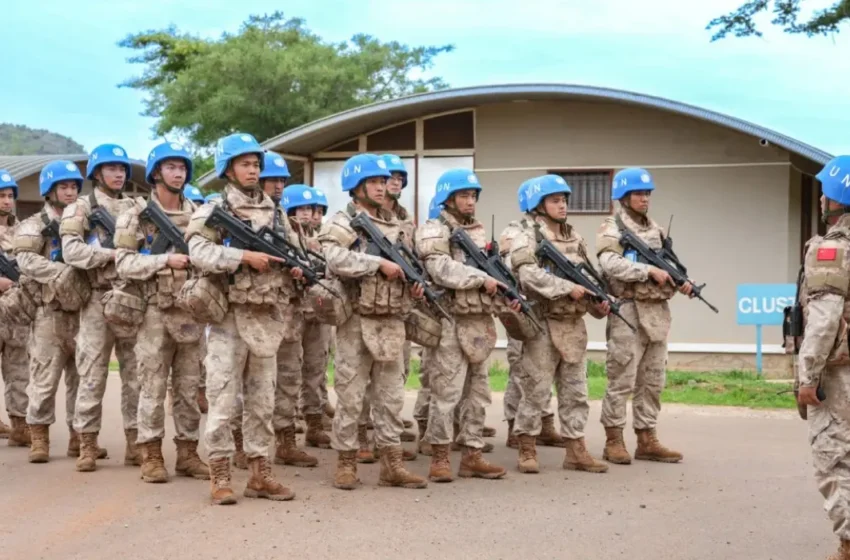
At the same time, China has long used peacekeeping to reinforce its image as a constructive global actor. It has supported UN missions, contributed personnel and equipment, and regularly highlighted its role among the largest contributors. That record helps Beijing answer criticism that it is a revisionist power seeking to weaken global institutions. Instead, China often portrays its involvement as proof that it is helping sustain the very system critics say it wants to undermine.
Budget Power and Influence
Undoubtedly, there is an immense importance attached to the increase in the peacekeeping budget. Finances are not only resources; they are means of power. Any multinational organization such as the UN where power plays a significant part will always see those nations contributing more expecting more control as well. The control can be both formal – in terms of negotiations and positions on different committees, or informal, by being able to affect the outcome of events through the establishment of certain expectations and results behind the scenes.
From the Chinese perspective, this kind of influence holds great value. Peacekeeping is crucially needed in those regions where China has some strategic, economic, or diplomatic interests, particularly in certain African countries. Through its increasing participation, China will be able to create closer connections with the host countries and to be considered their reliable partner. This will also help China develop its image as a peaceful nation interested in promoting development, rather than its own national benefit.
This is why analysts often describe China’s peacekeeping role as pragmatic. It is not ideological in the classic sense, and it is not purely altruistic either. It is a blend of reputation-building, institutional participation, and strategic positioning. That blend is what makes the issue politically important beyond the numbers.
UN Strain and the Sidelining Risk
The warning that bodies like the UN may be sidelined reflects a deeper structural problem. Peacekeeping is expensive, politically complicated, and heavily dependent on the willingness of member states to keep paying. When budgets tighten or major contributors grow frustrated, the UN’s ability to sustain missions shrinks quickly. That can lead to force reductions, weaker mandates, and greater reliance on ad hoc coalitions or regional arrangements.
The concern is not only financial. It is also about authority. If the UN is seen as too slow, too costly, or too constrained by political bargaining, states may begin looking elsewhere for security solutions. That could mean regional bodies, bilateral military partnerships, or hybrid arrangements that bypass the UN altogether. Once that happens, the UN’s central role in peacekeeping can diminish even if the institution remains formally in place.
This is the core of the current debate. China’s larger peacekeeping contribution may help stabilize the system in the short term, but it also raises questions about whether the UN is becoming more dependent on a smaller number of powerful states. If that trend continues, the UN could become less independent and more vulnerable to the political preferences of its biggest payers. That is the scenario behind the warning that multilateral bodies may be sidelined.
Strategic Meaning for Beijing
This decision should also be analyzed in light of the broader foreign policy strategy of China. Over the past years, Beijing was carefully establishing an image of a champion of multilateralism, particularly during those times when Western nations looked divided and stretched too thin. Thus, support for fulfilling financial obligations related to peacekeeping missions can be easily understood from this perspective as China is protecting the current order of things when they come under pressure.
However, it should be noted that the implications of this strategy go even deeper than that. The growing involvement in the finances of peacekeeping will provide China with more opportunities to shape the existing norms of deployment, command, finance, and mandates. This is significant because peacekeeping cannot be reduced merely to military means but involves the establishment of norms of intervention and stabilization as well.
This also explains why some observers see China’s peacekeeping involvement as part of a broader effort to reshape global governance from within. Rather than rejecting the UN, Beijing appears more interested in making the institution work in ways that are more favorable to its worldview and less dominated by the West. That is a subtle but important distinction. It suggests adaptation, not confrontation.
What the Numbers Suggest
The available assessments place China among the leading funders of UN peacekeeping, often behind only the United States in overall assessed contributions. The exact percentage can vary depending on the year and on how contributions are measured, but the broad pattern is clear: China is no longer a marginal player in peacekeeping finance. It is a central one.
That matters because numbers shape narratives. A country that contributes a meaningful share can argue that it deserves a greater voice in decisions. A country that pays less may still have influence through other forms of power, but its claim to leadership is weaker. China understands this well, and its growing budget role helps support its case for broader global leadership.
At the same time, the financial picture should not be confused with unconditional support. China’s backing of peacekeeping does not mean it endorses all UN policies or every mission design. Like other major powers, it supports the parts of the system that align with its interests and scrutinizes the parts that do not. That selective commitment is normal in international politics, but it becomes more consequential when a state’s financial weight is rising.
Broader Diplomatic Consequences
The diplomatic consequences of this development are likely to extend beyond peacekeeping. If China continues increasing its share, it may gain more credibility in debates over UN reform, development financing, and security governance. That could strengthen its hand in negotiations where it seeks institutional change without appearing overtly confrontational. It could also deepen tensions with countries that worry Beijing is expanding influence through the back door of multilateralism.
There is also a reputational dimension. For many governments in the Global South, China’s willingness to fund peacekeeping can be seen positively, especially if it translates into more reliable mission support. For Western governments, however, the same move may be read as a strategic bid for leverage. Both readings can be true at the same time. That is what makes China’s role so politically complex.
The bigger question is whether the UN can remain central in a world where great-power competition is intensifying and the costs of collective security are rising. If the answer is yes, then stronger contributions from China and others could help preserve the system. If the answer is no, then even higher funding may not prevent the gradual erosion of UN authority. The outcome depends not only on money, but on trust, reform, and political will.

