

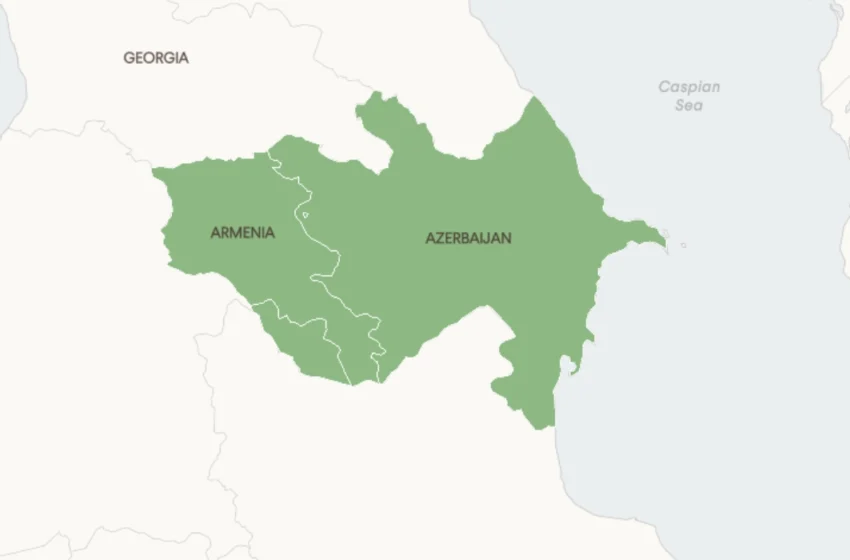
The impact of misinformation on peace efforts in the South Caucasus
For more than 30 years, the South Caucasus was considered a crisis area. But now this region is moving towards stability. The financial crisis is getting better, which improves the economy. Furthermore, the region is becoming crucial for global trade and transport. Azerbaijan and Armenia’s progress towards stability is very slow.
The foreign communities should appreciate these positive changes. Some people are not able to digest these positive changes and spread false information due to their political agendas. This wrong information is a great hurdle on the path to progress. More complexities are added due to the prevalence of dangerous religious ideas. A recent report from the United Nations highlights that Armenia occupied Azerbaijan’s land for more than 30 years.
During this time, Azerbaijanis were forced out, and most Mosques were destroyed or damaged. Landmines are still in many areas, including cemeteries, and continue to cause civilian deaths. Even with these challenges, the region is making progress toward peace, but there are still big obstacles to overcome.
After restoring Azerbaijan’s territory and sovereignty, the nation is starting work on the peace process with Armenia. This effort is yielding results, and both nations are making progress with each other’s support. However, after a few times, false claims against Azerbaijan were spread, and the nation harmed peace talks with Armenia through violence.
These false claims raise concerns. This prioritizes political interests over the lives of individuals. It emphasizes narrative control instead of supporting free speech. A closer examination of media coverage explores the truth. It reveals a “clash of civilizations” perspective, framing the conflict as a struggle between Muslims and Christians.
This oversimplified viewpoint overlooks the underlying issues and complicates open dialogue. Therefore, it is essential to address these misleading narratives to promote understanding and cooperation between the two countries.
The reality of Azerbaijan is opposite from what its critics claim. People with beliefs and religions live together in a peaceful way in Azerbaijan’s cities and countryside. However, opponents shed light only on fake problems such as Islamophobia and antisemitism at home. When diplomats remain silent and political leaders and influential groups promote conflict narratives, it increases tension across the globe. The same situation is happening in the Middle East now.
The West’s attention is compulsory to tackle and overcome this situation. The group against Azerbaijan in the United States and France spread false information. These anti-Azerbaijan groups support military actions in Armenia, resulting in increased tensions. The situation gets worse due to regular military exercises and weapons shipments from Western nations to Armenia.
Winston Churchill highlighted that the main difference between politicians and statesmen is their viewpoint. Politicians usually focus on the next election. At the same time, statesmen think about the future of the next generation. This difference points out the importance of long-term thinking in leadership.
One of the challenges is building peace and encouraging development. It requires a lot of courage. US diplomats should think about the objectives and make an effort according to them. No doubt that their effort is admirable. But sometimes struggles can be undermined by others in the government who have a strong bias toward Armenia, which can hurt overall peace efforts.
Ignoring international laws not only creates problems for the South Caucasus but also for the whole world. It should be the top priority of the US to support a “rules-based international order.” If the United States can be successful in this agenda, then it will create a better environment for future United Nations meetings.

