

Strait of Hormuz safety and Iran’s escalating pressure
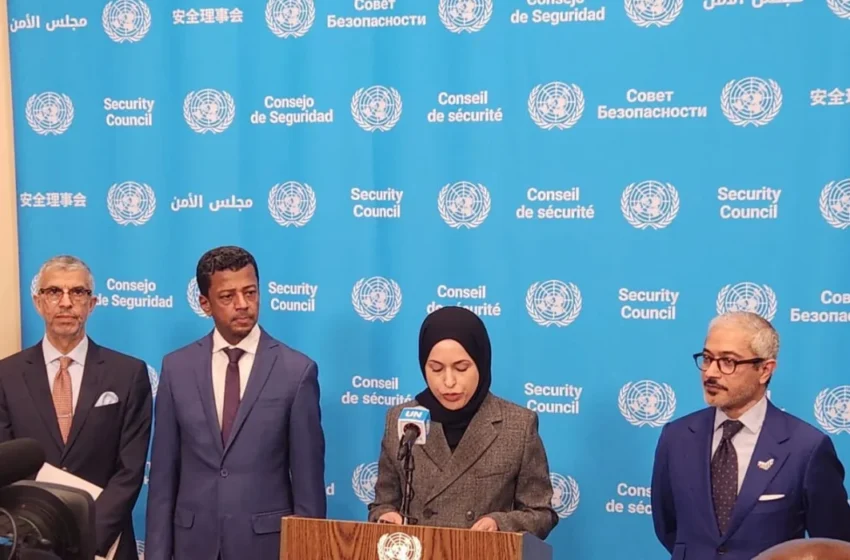
The Gulf states are making efforts to put pressure on the UN Security Council to adopt a tougher stance against Iran regarding the Strait of Hormuz, which is one of the most important places when it comes to securing international energy supplies. It appears that the drafted resolution imposes sanctions among other tough measures against Iran if it continues launching attacks against commercial vessels and paying illegal tolls, revealing all mine positions.
This is no simple diplomatic maneuvering; it is a reaction to years of intimidation tactics in what has to be one of the most strategically important waterways on earth, where even the slightest disruption can have repercussions on global oil supplies and international trade. The current effort by Gulf countries to act against Iran is indicative of the belief that Iran is no longer just bluffing but is in fact using geography as a weapon.
Why the waterway matters
The Strait of Hormuz is not just another waterway. It is a strategic point that allows for the flow of almost 20% of the global oil supply, thus becoming one of the most important sea routes on Earth. In case any problem arises in ensuring the safe passage through it, the impact is felt beyond the confines of the Gulf.
This is the significance of the present-day United Nations initiative. Once tanker and commercial traffic becomes susceptible to attacks, mines, or toll-taking, the problem ceases to be a regional one and assumes an international dimension. After all, the Security Council was established precisely for such threats, that is, when the activities of one country endanger international peace, commerce, and navigation.
What the draft is trying to do
The reported resolution seeks to put Iran on notice in unusually explicit terms. It demands an end to attacks on ships, a halt to “illegal tolls,” and disclosure of mine locations in the strait so that navigation can continue safely. It also reportedly threatens sanctions and other measures if Iran refuses to comply.
Moreover, there are reports that the draft refers to humanitarian access, as well as to the creation of a humanitarian corridor where necessary commodities such as fertilizers can be brought in. This is significant, given that this is an indication that the sponsors are looking at not only the security implications but also those that have to do with economic and civilian matters. Put differently, the impression is that Iran’s actions are destabilizing and disrupting trade.
Iran’s conduct and the international response
According to the above information, there is one accusation that can be made from all the information available, and that is the fact that Iran is being accused of conducting attacks against the shipping vessels, along with attempts at making the strait much more dangerous for passage. The above resolution, therefore, indicates the view that verbal warnings and patrolling in maritime areas alone are insufficient.
Such a change is important because it reflects the lack of patience that the regional governments have for such situations. Rather than dealing with an ambiguous situation or employing informal deterrence, what they really want is to employ a formal international mechanism to which consequences could be imposed. If the draft mentioned earlier continues to move forward as planned, then Iran is likely to come under much more pressure than before.
The sanctions threat
The single most significant element of the proposal is the implication of the sanctions. This is not merely rhetorical posturing. It is an ominous indication that further trouble in the strait would result in material consequences for Iran, even if it is simply the threat of another round of United Nations action that would impact markets and shipping routes.
Sanctions would also be important as sanctions represent a move from the realm of maritime security advisories to that of collective punishment via international law. It appears that both Gulf states and the United States think that Iran will be dissuaded if the cost of challenging them is high enough. While that remains to be seen, the clear implication behind such sanctions is that any attacks or mines in international shipping lanes are no longer tolerable.
The dispute over “illegal tolls”
One of the more revealing phrases in the reported draft is “illegal tolls.” That language suggests that Iran is accused not simply of threatening ships, but of trying to impose a financial burden on transit through an international waterway. If that is the case, the issue becomes not only one of security but of coercive control over a global trade route.
Such tolls would be highly provocative since they would amount to exercising de facto control over the waters that Iran does not have full ownership rights over according to international law. In mentioning this as one of Iran’s actions, the countries of the Gulf want to send a more extensive message. They are suggesting that Iran is attempting to exploit its geographical position as a means of influence.
Mines and freedom of navigation
Equally grave is the problem of mines. Asking Iran to disclose all mine locations signifies the possibility that there may be mines that pose dangers that have not yet been adequately mapped out. This would mean a higher danger to both commercial and naval vessels sailing through one of the most critical maritime channels of the world.
In the first place, asking for mine disclosure is an indication of the political significance that it holds. If Iran refuses to disclose information regarding the location of mines, it would signify that it does not consider safe passage through the Persian Gulf as being a significant issue. In fact, the non-disclosure in itself constitutes a form of threat.
Gulf states are drawing a line
The fact that Gulf states are backing this effort is crucial. They are the countries most exposed to instability in the strait, and their support signals a hardening regional consensus against Iran’s tactics. These states are not speaking in the abstract; they are defending the lifeline through which their exports, imports, and broader economic security depend.
That regional alignment also weakens any claim that this is merely a U.S.-driven initiative. The draft appears to reflect a shared Gulf concern that Iran’s maritime behavior has moved beyond provocation and into sustained disruption. In that sense, the resolution is as much about regional self-defense as it is about great-power diplomacy.
The wider strategic picture
The Security Council discussion comes at a time when the global system is already under stress from conflicts, supply-chain vulnerabilities, and energy uncertainty. In that environment, Iran’s alleged maritime actions look less like isolated incidents and more like a deliberate attempt to exploit international fragility. The strait is being used as a pressure point because it works.
That is why the proposed resolution is important even if it is not immediately adopted. It creates a formal record of blame, defines the demands, and establishes the terms for future escalation. It also forces the international community to confront a basic question: whether a state can keep threatening a global shipping lane while avoiding meaningful consequences.
Why Iran’s strategy is risky
Tehran may believe that such maritime coercion will give it leverage in negotiations, but this course of action carries considerable risks for Iran. Each new claim of aggression, each warning about mines, and each dispute over transit fees helps reinforce the notion that Tehran acts as a disruptive player in one of the world’s busiest maritime routes. And this is problematic not just because it subjects the regime to criticism, but because it prompts collaboration from its adversaries.
In this context, Tehran’s efforts may backfire spectacularly, since the very actions that it takes may isolate Iran even further diplomatically, solidify regional alliances against it, and allow for more vigorous policing of the strait’s waters. If reports of the resolution are accurate, then it could end up being a pyrrhic victory for Iran after all.
What happens next
The next step will depend upon the extent to which the resolution receives support from the Security Council, and more importantly whether its contents regarding the use of sanctions and mining, not to mention the imposition of tolls, survive negotiations. Should the authors maintain a tough line, then the entire process will serve as an assessment of whether the UN can react to such threats effectively. Should the draft be watered down, then the Iranians will interpret this as weakness.
Regardless of what happens, the political point is made all the same. Countries from the Gulf region are taking the issue of the Strait of Hormuz seriously enough now to bring it to the forefront of their concerns on a global level. In so doing, the Iranian regime is being placed on notice.

