

Iran Strait of Hormuz tolls: a dangerous breach of maritime law
The Iranian government’s audacious action in levying charges on any ship passing through the Strait of Hormuz has sparked a flurry of international controversy, placing the strategic strait squarely in the middle of an emerging crisis situation. With up to one-fifth of global oil trade going through this important waterway, there have always been tensions between the Iranians and their Western neighbors, but recent events signal a new level of danger.
By April 2026, the Iranian Parliament passed a bill mandating that all ships transiting through their territorial waters pay charges in the Iranian Rial currency, with extra fines or even bans for those ships owned by the US, Israel, UAE, Bahrain, or any other country imposing sanctions on Iran.
It comes hot on the heels of the decision by Iran to temporarily close the strait following attacks against Iranian installations from both Israel and the United States in early February 2026. It is seen by Tehran as a necessary condition for re-opening the strait during the ongoing efforts to achieve some kind of fragile peace, yet international observers have described it as a clear breach of maritime law.
Legal Foundations Under Siege
The Strait of Hormuz, which lies in the territorial waters of Iran and Oman, is undeniably an international strait, which allows for transit passage for all ships without hindrance by the coastal state through the imposition of charges, discriminatory legislation, or excessive delay.
This rule, established in the United Nations Convention on the Law of the Sea (UNCLOS), notwithstanding its non-ratification by Iran, is binding on the Iranian government due to the traditional custom of international law which forbids any toll for merely passing through. The law clearly states that even in the secondary system of “innocent passage,” no charges could be levied in the absence of any services provided by the state.
The Chatham House researchers have reviewed the plan, finding that not only does it violate these principles, but it also involves discriminatory bans, which are considered illegal according to Article 38 of UNCLOS and in general under the principle of non-discrimination in international straits.
The UN body’s Secretary-General has been clear that there is “no legal basis” for such demands from Tehran, indicating the infeasibility of the plan in light of global trading standards. The statement echoes similar analyses by research institutions such as the Institute for National Security Studies (INSS), stressing that the strait may be an arena for conflict where legal clarity is crucial to avoid escalations.
Iran’s Provocative Maneuvers
The chronology of the incidents shows that this was indeed an act of retaliation. After the attack carried out by the United States and Israel in February 2026, Iran closed down the strait, which affected the flow of oil and put pressure on the international economy. By April, the bill had gathered momentum in parliament as the proponents claimed that this is in response to their aggression.
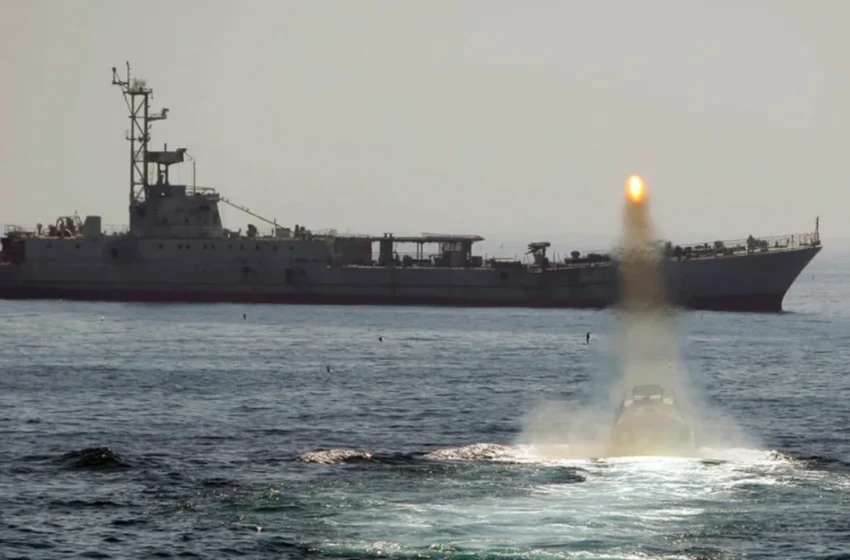
Fees will be determined based on vessel size and cargo, and the bill specifies payment in rials, thereby avoiding Western sanctions, but “hostile” vessels will be completely banned, which includes ships from sanctioning nations. These are not idle threats; the Iranians have already indicated measures to enforce compliance by inspecting ships with their navy, and even mining the strait without prior notice, which will pose dangers to shipping.
The Tehran story presents the levies as a form of equal reciprocity, even as peace negotiations fall through, while the international community considers it a worrying trend that may serve as encouragement to other countries with strategic waterway chokeholds like Turkey and Russia. At stake are billions in dollars per year in income, yet the levies may cost them valuable trading partners. Without official fee rates published, estimated figures have ranged from billions of dollars annually.
UN Security Council Showdown
The UNSC has become the key forum for conflict, with several resolutions proposed to censure Iran’s behavior. Resolution 2817, passed in 2026, reiterates that the passage remains free from any interference, establishing a clear legal standard.
An even tougher approach is evident from a May 2026 draft resolution sponsored by the US and Gulf states, which suggests punitive measures against Iran in case it continues attacking vessels, charging unlawful taxes, or mining the strait without announcing it. This resolution relies on the UN Charter’s Chapter VII, which authorizes the Security Council to act for maintaining international peace and security.
UN Secretary-General António Guterres has called for the
“immediate restoration of freedom of navigation”,
a plea echoed in open debates where envoys decried the humanitarian and economic fallout. The U.S. mission has been vocal, with envoy Dorothy Camille Shea warning that Iran’s moves are
“setting a very, very dangerous precedent”
that undermines decades of maritime stability. Yet, divisions persist: Russia and China, Iran’s allies, have signaled veto intentions, potentially stalling enforcement and prolonging the impasse.
Global Powers Respond with Force
The Western and Gulf response to the situation is a mixture of diplomacy and brawn. President Donald Trump, alluding to his re-election and subsequent inauguration, ordered the partial blockade of “hostile” ships that are trying to evade payments, an act denounced by Tehran as piracy, although they claim self-defense.
The U.S. navy is more active than ever in the Gulf region, escorting ships and conducting freedom of navigation exercises in the region. The Gulf nations, who rely on the strait for their exports, are solidly supporting the UN resolution.
The IMO’s outright rejection of tolls carries procedural weight, as the agency governs maritime safety standards and could complicate insurance for non-compliant ships. Media outlets like PBS have highlighted how the proposal “violates trade norms”, with experts noting ripple effects on global supply chains—from European refineries to Asian manufacturers. Even neutral voices, such as The Nation’s analysis, concede that while tensions are bilateral,
“only one side has clearly broken the law”
in the strait, pointing to Iran’s regulatory overreach.
Economic Shockwaves and Figures
The importance of the strait in terms of energy sources increases the significance of the situation. With an average of 20 percent of all the world’s oil being carried – at approximately 21 million barrels per day – any problem means increased fluctuations. The April shutdown of Iran sent the Brent Crude prices soaring by a double-digit percentage rate, and had an effect even in May 2026 due to the associated uncertainties. Any tariffs, while not having exact numbers as yet, would apply to all commercial shipping, earning from $5-10 billion per year based on shipping tonnages.
Shipping giants have rerouted where possible, inflating costs via longer Cape of Good Hope paths, while insurers hike premiums for Gulf transits. Small island nations and import-dependent economies feel the pinch most acutely, underscoring the strait’s role beyond oil: it also carries 20-25% of global LNG. Iran’s rial-based fees aim to bolster its sanctioned economy, but risk backfiring through boycotts or naval standoffs.
Broader Geopolitical Ramifications
This saga extends far beyond the Gulf, challenging the post-WWII order of free seas. If Iran prevails, it could normalize tolls in contested straits, eroding UNCLOS’s efficacy and inviting copycats. For the U.S., it’s a test of Trump’s “peace through strength” doctrine amid reelection momentum. Gulf monarchies eye diversification, accelerating pipelines to Oman and Saudi ports, while Europe pushes for diversified energy amid Russia-Ukraine echoes.
Legal scholars warn of a slippery slope: selective bans evoke apartheid-era discrimination, antithetical to WTO principles. Public discourse, from Reddit threads to Anadolu Agency reports, reflects polarized views—some decry U.S. hypocrisy given past interventions, others Iran’s adventurism. Yet, consensus holds on the strait’s non-tollable status.
Pathways to De-escalation?
A solution to the conflict will require compromise on both sides. Iran wants sanctions lifted through negotiations; the Western world requires passage guarantees. An alternative resolution may come from second-track diplomacy using Oman as a mediator in negotiating free passage for UN surveillance. Should such a resolution fail, escalation is imminent, with minesweeping exercises, cyber attacks, or something even more serious.
The current situation, as of May 9, 2026, is one fraught with tension. This powder keg, where law and power collide, has become yet another flash point in this age of international regulation.

