

Gaza’s 77‑Year Human‑Development Setback and the Politics of Reconstruction
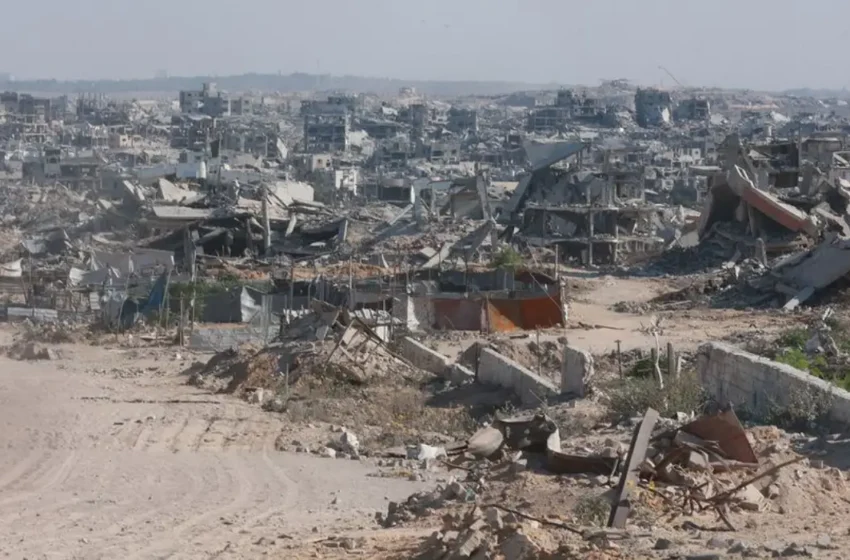
The 77-year human-development loss of Gaza is one of the worst reverses ever experienced in a contemporary conflict zone. In April 2026, the European Union, the United Nations, and the World Bank made a joint assessment that concluded that decades of health, education, and economic stability advances have been wiped out. The regression scale puts the living standards nearer to the mid-twentieth century than in recent years, due to the cumulative impacts of long-term conflict since late 2023.
The characters behind this evaluation emphasize not only the instant devastation, but also the structural devastation. It is estimated that recovery and reconstruction needs are in excess of over 71 billion dollars and much of this will be necessary in the first 18 months to bring about basic services. The recession has been harsh, and the economy has plummeted in output and state apparatuses have stretched beyond their capacity to work. The fact that housing, healthcare facilities, and schools are destroyed is not only an indicator of a physical crisis but also a systemic collapse of social infrastructure.
The Scale Of Damage And Economic Collapse
The scope of destruction in Gaza goes beyond the visible devastation to the roots of economic and social life. The evaluation conceptualizes the crisis as a multi-layered breakdown involving both infrastructure and livelihoods, as well as institutional capacity.
Physical Infrastructure Destruction
Infrastructure destruction is a significant proportion of the overall estimate. Homes, hospitals, schools, and critical infrastructure have been affected the most with most of the facilities becoming unusable. The demolition of housing has moved a considerable part of the population, and the housing, urban planning, and reconstruction logistics issues have become a long-term problem.
Essential facilities like water supply, sanitation and electricity have also been severely damaged. The interruption of such systems makes it harder to recover and restore, since the restoration process needs both funding and technical coordination and a long-term supply of materials.
Economic And Social Losses
Another significant aspect of the crisis is economic losses. Companies are shut down, supply chains are being interrupted and jobs are being lost at an alarming rate. The fall of local markets has decreased household income, making them more dependent on outside assistance.
Social losses are also important, but less evident. Education systems are broken, access to healthcare has decreased, and community networks are undermined. This makes the recovery process a long process in that it may take a long period of time to restructure social systems as compared to restructuring physical property.
Social Fabric Under Sustained Pressure
The 77-year human-development setback in Gaza has a disproportionate effect on people, with vulnerable populations bearing the brunt. The crisis has transformed everyday life in more ways than just economic measurements.
Displacement And Community Breakdown
Massive displacement has broken down family and community support networks. Several people have been subjected to recurring displacement, which diminishes their potential to develop stability or receive stable services. Displacement due to loss of permanent houses has also destroyed the social cohesion since neighborhoods, which acted as support systems, have been disintegrated.
This instability has an impact on access to education and healthcare, especially among children and older people. Lack of stable conditions makes recovery efforts more difficult because it takes more than a physical reconstruction of communities.
Gender And Vulnerability Dimensions
In the present environment, women, children, and those with pre-existing vulnerabilities are at a higher risk. Limited access to health care and social services has raised vulnerability to health problems and poverty. Employment and education opportunities have become constrained, restricting long-term opportunities.
The loss of gender equality and social inclusion underlines the wider aspects of the effects of the crisis. Advances made in decades have been undone, and there is a need to have specific policies that will reverse inequalities during the reconstruction.
Reconstruction Costs And Political Framing
The $71 billion reconstruction estimate serves as a political reference point and a financial standard. It defines the magnitude of resources needed and the expectations of the international donors and local stakeholders.
Immediate Funding Priorities
Much of the funding that is needed is in the initial phases of recovery. Essential services, including healthcare, water and electricity, should be restored to stabilize the situation and avoid its further decline. These priorities are indicative of the need to meet the basic needs first before other development objectives can be achieved.
Short-term financing also puts an emphasis on the issue of mobilizing funds within a short time period. Funding delays may extend the crisis, raising expenses and human misery.
Long-Term Recovery Challenges
In addition to the short term needs, there are the long term recovery efforts of reconstruction and recovery of economic activities. This will demand long-term investment in education, healthcare and job creation. The fact that such tasks are complex explains why there is a need to have coordinated planning and constant funding.
The political environment in which reconstruction is taking place impacts the allocation of resources. Priorities, governance, and oversight decisions determine the level of effectiveness of recovery work and define whether the gains of development can be restored.
Competing Interests And Governance Conditions
Reconstruction in Gaza is closely tied to broader political dynamics, with multiple actors seeking to influence outcomes. These competing interests complicate efforts to translate financial commitments into tangible progress.
Donor Conditions And Oversight
International donors have emphasized the need for transparency and accountability in reconstruction efforts. Conditions related to governance, anti-corruption measures, and monitoring mechanisms are likely to shape funding decisions. These requirements aim to ensure that resources are used effectively but may also slow the pace of implementation.
The balance between oversight and efficiency is a central challenge. While accountability is essential, excessive constraints can hinder timely delivery of assistance.
Security And Political Constraints
Security considerations play a significant role in shaping reconstruction strategies. Concerns about the use of resources and the stability of the region influence both funding and implementation. These factors introduce additional complexity, as reconstruction efforts must navigate both logistical and political challenges.
The absence of a stable political framework complicates long-term planning. Without clear governance arrangements, sustaining development gains becomes more difficult.
Human-Development As Strategic Leverage
The framing of Gaza’s 77-year human-development setback serves as a powerful narrative tool in international discussions. It highlights the scale of the crisis while influencing how different actors approach reconstruction.
Donor Mobilization And Advocacy
The emphasis on human-development regression is intended to encourage stronger commitments from donors. By presenting the crisis in terms of lost progress, the assessment underscores the urgency of intervention and the potential long-term consequences of inaction.
This narrative also places pressure on stakeholders to address underlying issues rather than focusing solely on immediate reconstruction. The goal is to link recovery efforts with broader development objectives.
Risks Of Selective Interpretation
At the same time, human-development metrics can be interpreted differently depending on political priorities. Some actors may use the data to support specific policy positions, while others may focus on different aspects of the crisis.
This variability highlights the importance of maintaining a balanced perspective. Effective reconstruction requires acknowledging both the scale of the problem and the diversity of viewpoints involved.
Pathways For The Next Decade
The trajectory of Gaza’s recovery will depend on how reconstruction strategies are implemented and sustained over time. Different approaches carry distinct implications for long-term development.
Infrastructure-Led Recovery Model
One possible approach focuses on rebuilding physical infrastructure as a priority. This model emphasizes visible progress, such as restored buildings and utilities, which can help stabilize conditions quickly. However, it may not fully address underlying social and economic challenges.
Without parallel investment in human development, infrastructure improvements alone may not lead to lasting recovery. The risk is that structural inequalities and vulnerabilities remain unaddressed.
Human-Centered Development Model
An alternative approach prioritizes social systems, including education, healthcare, and employment. This model aims to rebuild human capital alongside physical infrastructure, creating a more balanced recovery process.
Implementing this approach requires long-term commitment and consistent monitoring. It also depends on the ability to coordinate efforts across multiple sectors and stakeholders.
Between Reconstruction And Long-Term Stability
Gaza’s 77-year human-development setback reflects more than a temporary crisis; it signals a fundamental challenge to long-term stability and development. The scale of regression raises questions about how quickly progress can be restored and whether reconstruction efforts can address underlying vulnerabilities.
As funding commitments, political conditions, and governance frameworks continue to evolve, the effectiveness of reconstruction will depend on aligning short-term relief with long-term development goals. The balance between immediate needs and structural reform remains uncertain, leaving open the question of whether recovery will restore past progress or redefine the region’s development path for years to come.

