

Civil Society’s Influence on UN Policy and Reform Processes
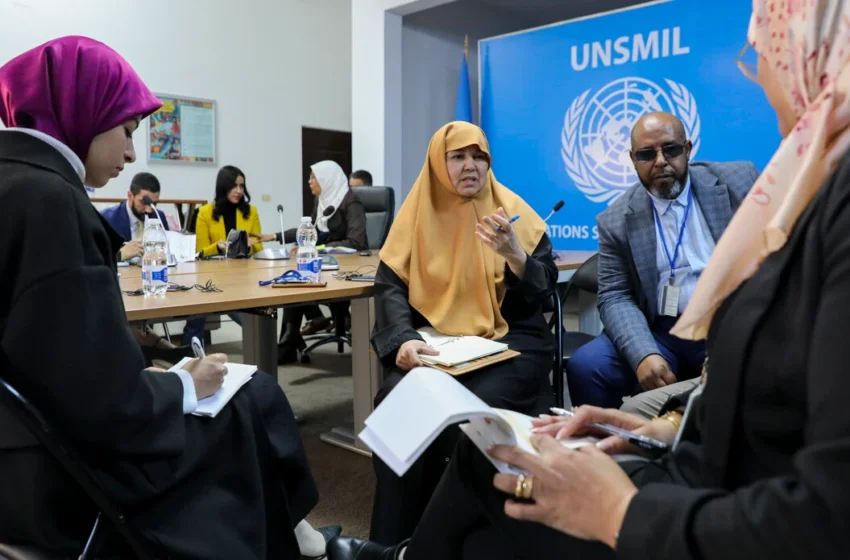
The success of society in the UN policy has been steadily increasing throughout the decade, and by 2025, the influence of the civil society will have become more apparent and organized. This has introduced the emergence of the nongovernmental organizations, advocacy coalitions, and independent watchdogs which now play a critical role in the identification of gaps in governance, advancement of transparency, and policy discourse within the critical UN forums. Their role ceases to operate at the periphery but makes more and more of institutional priorities with insights about data and long-term advocacy.
Global governance expectations are varied in the development of this engagement. With the increasingly complicated nature of transnational matters, putting pressure on the capacity of states to manage them, the UN has increasingly turned to the knowledge of civil society to read the ground realities. The senior UN reform adviser recently stated that the system cannot be effective without the input of knowledge and perspective of non-state actors that work with communities they serve the most. This view highlights the increasing credibility of the civil society in the policymaking in multilateralism.
Mechanisms Allowing Greater Civil Society Impact
The UN consultative mechanisms are still in the center stage of the influence of civil society. ECOSOC accredited organizations have access to formal discussions, thematic panels and intergovernmental negotiations. By 2025, such sessions are beginning to add evidence in the field monitoring, which provides the delegates with a detailed insight into challenges including humanitarian access and human rights violations. One of the most operational venues remains the Human Rights council, which incorporates civil society submissions in its reviews and the special procedures.
Reporting Tools That Shape Agenda Priorities
Independent reporting has emerged as a strong source of influence particularly in human rights and development monitoring systems. Shadow reports offer vindication to state accounts, demonstrating gaps in implementation and presenting alternative data that is often used to fix a situation or issue follow-ups. By the year 2025, most organizations used sophisticated analytic tools in order to integrate satellite images and local surveys with verified media information, which enhanced the authenticity of their results.
Diplomatic Engagement And Targeted Lobbying
Long-term interaction with delegations and UN officials is also necessary to form policy priorities. New York and Geneva advocacy teams have permanent discussions with missions, briefing and also organizing around resolutions or reform initiatives. This unofficial diplomacy enables civil society actors to bring forth emerging issues to prominence in the system before official attention is paid to them, leading to early agenda-setting and shaping political momentum in the system.
Representation Gaps And Structural Challenges
Civil society access is even though opportunities have increased. Global South smaller organizations tend to encounter bureaucratic and financial challenges in their way to accreditation or even taking part in major events. Some of the barriers have been relieved through digital participation, however, not all individuals are able to be fully engaged due to disparities in technology, language support, and connectivity.
There are also security and political limitations that are problematic. Some governments have increased the restrictions on the activities of NGOs by restricting their traveling or interaction with the UN mechanisms. In particular, these limitations have been more apparent in debates on conflict-related atrocities, during which states have used issues of sovereignty to deflect critique. The ensuing tensions have kept on delimiting the institutional influence of civil society.
Human Rights Frameworks And Investigative Mandates
The most notable area of impact on the UN policy by civil society is the human rights sector. Law firms that specialize in documentation and legal research have been quite instrumental in enhancing requirements on investigative processes. Their reports make up a significant element of the evidence base of commissions of inquiry and special rapporteurs. I believe that by 2025, the increase in interest in digital rights and climate-related human rights issues is influenced in large part by civil society research and sustained advocacy.
Sustainable Development Alignment And System Reform
The long-term consequences of the pressure exerted by the civil society can be seen in the UN development system reforms during the last several years. The 2023 transition to combined and SDG-aligned programming was based on the suggestions of the organizations that had cautioned against cracking and wasteful arrangements of the former structures. The civil society keeps track of progress and adds data and analysis that are utilized by resident coordinators and country teams to make changes to the implementation.
Peace Operations And Civilian Protection Standards
Another field that has been affected by the influence of civil society is the current debate on the reform of peace operations. Conflict prevention and humanitarian protection organizations have demanded stricter accountability mechanisms, better community relations, and better reporting mechanisms of misbehaviors. Their work has been felt on the discussions about the renewal of the mandates and the update of the policy of the Secretariat, particularly, when the peace operations evolve due to the complicated security situations in 2025.
Unequal Influence Across The UN System
Even though civil society is actively engaged in most thematic areas, it is still weak in areas that are controlled by state prerogatives. Security Council discussions, sanctions regimes, as well as intelligence sharing regimes are still highly non-state friendly. The process of budgetary and appointment to high level positions also remain in the control of the member states which is indicative of the principles of sovereignty, which are fundamental in the UN structure.
This ambivalent landscape shows the structuralities that determine the position of civil society. Politics will always dictate how much recommendations will be turned into policy results even where evidence and expertise is accepted.
Strengthening Civil Society Engagement Through Institutional Adaptation
The reduction of accreditation processes and the extension of the digital involvement have been included in the agenda of various UN agencies. Digital modernization programmes of the Secretariat, which are to be accelerated between 2023 and 2025, are intended to provide more access to hybrid meetings and remote consultations. Such changes can decrease the geographic disparities and enhance the international representation in case they are applied to all departments on a regular basis.
Enhancing Diversity And Regional Inclusion
It is imperative to expand outside the usual centers in New York, Geneva, and Vienna in order to receive various views. An increase in the focus on regional forums and decentralized UN offices is based on more inclusive engagement. The engagement of communities that are on the fringes enhances legitimacy and effectiveness of multilateral decision making.
Safeguarding Civil Society Space In Politicized Contexts
The civil society actors should be better supported politically. Normative support is provided by resolutions that confirm the relevance of civic space, yet their application is still largely ineffective since there is a geopolitical conflict. The formation of strategic partnerships between the civil society, the enabling governments and the UN officials offers one avenue through which these protections can be strengthened. This participatory school of thought has gained more significance with regard to the global trends of reducing civic space.
Emerging Trends Reshaping Civil Society Influence
The increasing use of data analytics, digital records, and real-time reporting software is transforming the role of the civil society in the processes of UN policy making. In 2025, various organizations established advanced technologies to verify the evidence in the conflict zones and affected areas by climate factors. Such practices have enhanced the legitimacy of submissions and increased their impact in the formal decision-making process.
Concurrently, actors in civil society are also perfecting their advocacy strategies in order to address intricate challenges in the world. NGOs-academic institutions-grassroots networks Multi-stakeholder groups in climate governance, digital regulation, and humanitarian response are increasingly prominent. These coalitions promote policy coherence and assist in the translation of technical research into action recommendations.
As UN reform debates continue, the interplay between state authority and civil society participation remains a key determinant of institutional evolution. Civil society influence on UN policy demonstrates a nuanced balance between opportunity and constraint, shaped by political realities and institutional architecture. How this balance shifts in the coming years will shape both the trajectory of global governance and the capacity of international institutions to respond to the world’s most pressing challenges.

