

UN Ceasefire Urgency: TTP Havens Ignite Pak-Afghan Border Crisis
The acute escalation of the tensions along Durand Line has considerably increased the levels of UN Ceasefire Urgency in diplomatic communities. What started as regionalized interactions have soon turned into organized cross-border actions, highlighting how weak security arrangements between Pakistan and Afghanistan are now since temporary truces in 2025 could not help remove structural causes of violence.
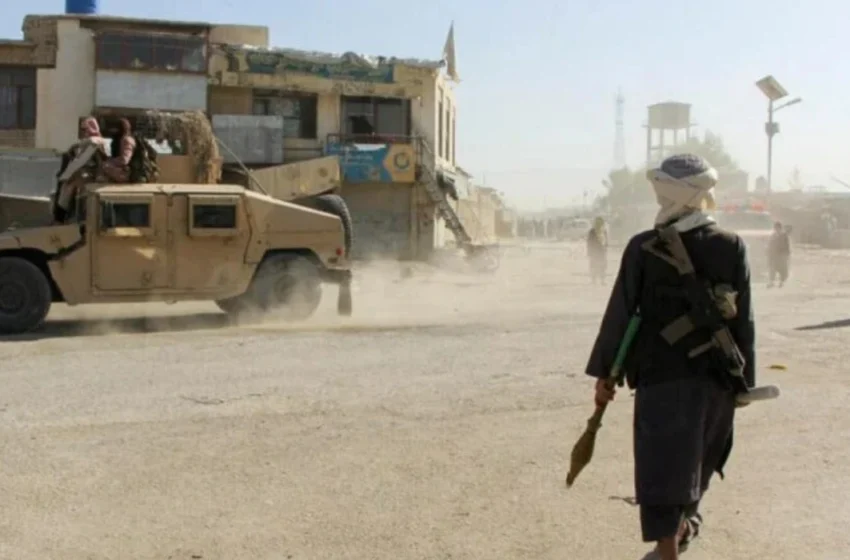
The turning point was the operation Ghazab lil-Haq launched by Pakistan on February 26. The attacks in Kabul, Kandahar and Paktia provinces were air and artillery attacks against places after the fatal militant attacks within Pakistani territory. The intensity of the response is indicative of the shift of the reactive border defense to the more general doctrine of deterrence.
Triggering Events and Military Calculations
Islamabad supported the operation by quoting intelligence that had associated Tehreek-e-Taliban Pakistan fighters with the recent attacks that had killed dozens of security personnel. However, cross-border expansiveness was an unavoidable upsurge that intensified bilateral tensions, particularly as the officials cast the campaign as a defensive imperative instead of escalation.
Afghan governments denied the claims terming the strikes as sovereignty. Taliban spokesperson Zabihullah Mujahid reiterated that the Afghan territory was to be used to organize attacks on Pakistan supporting the long held argument by Kabul that instability is a result of border claims, as opposed to the state being involved.
Civilian Impact and Local Fallout
During the exchanges, reports in Nangarhar and Khost provinces reported the killings of civilians. There were dozens of injuries recorded in the local health facilities (women and children caught in the cross fire included). Movement across frontier regions has only escalated, adding strain to humanitarian needs, which are already felt throughout 2025.
These events have heightened global concerns making UN Ceasefire Urgency more a preventive intervention and not a response call.
TTP Sanctuaries and Expanding Militant Capacity
Recurrence of the Tehreek-e-Taliban Pakistan has been the main issue in the crisis. TTP factions have allegedly unified in eastern Afghanistan since the Taliban returned to power in Kabul in 2021, with mountainous terrain and porous crossings to reorganize and increase the range of activity.
Pakistan estimates that the population has between 6,000 to 7,000 fighters of the group. In late 2025 security reports indicated that militant attacks within Pakistan had increased two times within the past months with over 1, 000 deaths associated with insurgent activities.
Operational Growth Since 2021
The Taliban conquest has transformed the militant situation in the region. Although Kabul made the promise that the Afghanistan soil would not be used against any other states, it has been applied unevenly. Analysts observe that effective counter-TTP action has been restricted by ideological affinities, limited capacity of states and competing priorities.
According to Pakistani officials, the lack of action allowed the TTP to reconstruct training camps, grow the recruitment process, and increase funding channels by extortion and cross-border smuggling networks. Defense Minister Khawaja Asif declared that the patience of Pakistan was exhausted, which meant that there was less tolerance towards incremental diplomacy.
Afghan Counterclaims and Strategic Narratives
The Afghan leaders have in response accused Pakistan of aiding anti-Taliban forces and carrying out unilateral attacks that destabilize. Kabul boasted of seizing several border posts in retaliatory actions, and a story of defensive fighting, and no longer of offense, was spread.
These conflicting assertions show a more fundamental lack of trust. The security story of both parties, without any independent verification mechanisms, supports domestic political legitimacy and makes the reconciliation of diplomats more difficult.
UN Ceasefire Urgency and International Mediation Efforts
The escalation of the conflict led to the immediate action on the international front. The UN Ceasefire Urgency lasted longer, when Antonio Guterres declared a complete break of hostilities on February 27, 2026, stating that the ongoing development could disrupt the stability of the South Asian region as a whole.
The UN Assistance Mission in Afghanistan mentioned above can be compared to confrontations in October 2025, when the temporary mediation prevented the long-lasting confrontation but never created the long-term protection.
Diplomatic Channels and Security Council Dynamics
In case of continued violence, the case can go official to the UN Security Council. The geopolitical divisions may however restrict the extent of binding resolutions. The great powers are still wary and weighing between counter terrorism interests and the overall region-wide calculations.
China has been discreetly approaching both governments, conscious of the investments with references to the China-Pakistan Economic Corridor. Iran, which borders Afghanistan has also called on restraint also because of the refugee stream as well as cross border militancy.
Limits of Ceasefire Without Structural Reform
Although ceasefires allow violence to be put on hold, they have minimal effects in destroying militant networks. UN Ceasefire Urgency is an expression of the understanding that sustainable peace must be ensured by confirmed action against TTP safe havens, intelligence sharing procedures and reciprocal commitments in terms of sovereignty.
Without structural reform, there are past tendencies indicating that any lull in the short run may turn into a new upsurge.
Strategic Implications for Regional Stability
The crisis has wider geopolitical consequences other than direct issues of security. The doctrinal change is indicated by the enlarged military posture of Pakistan and the response of Afghanistan puts its ability to govern under international pressure.
Domestic economic pressure has been experienced in Islamabad due to inflationary pressures and damage of infrastructure by floods of 2025. It is also through showing that one has control over security threats that strengthens internal political stability. Nevertheless, the long-term conflict poses a threat of diplomatic isolation and destabilization of the economy.
To the Taliban government of Afghanistan, it is a case of balancing ideological and practical governance. The normalization of economic interactions, humanitarian aid, and international interaction are still subject to effective counterterrorism commitments.
Already billions of trade have been impacted by the disruption of trade at Torkham and Chaman crossings. The lack of fuel and increasing food costs on both sides of the border are an indication of how fast localized conflict can spread across the shaky economies.
The sustainability of future ceasefire will not be pegged on diplomatic calls only but on quantifiable measures that can be taken towards curbing transnational militancy. UN Ceasefire Urgency provides a crucial scene when the preventative diplomacy has to face embedded mistrust. How Islamabad and Kabul turn this pressure into long-term collaboration or return to the old game of scorecard, will determine the security environment in South Asia even after the current crisis, and keep regional interested parties on high alert about any signal coming out of the frontier.

