

Breaking the silence: tackling sexual violence amid DRC’s ongoing armed conflict
The cases of sexual violence during DRC conflict have become even much stronger due to the intensification of armed clashes in North and South Kivu. According to the humanitarian agencies, the number of cases is alarming in 2025. The number of survivors seeking treatment documented by Save the Children in the period between January and July (2702) is more than 612 in the same period in 2024. This four times increase is an indicator of declining security and the expanding displacement areas, whereby a whole community is at the risk of armed players.
These concerns are supported by government figures. Over 73, 000 cases of sexual violence had been registered by the Ministry of Health in the first half of 2025. Worryingly, almost a third of the people who were reported to have survived were girls below the age of 16, and this indicated that the minors were at risk of being assaulted as the population moved and militia invaded the areas. Medical professionals caution that the reported figures are probably just a tip of the iceberg as a result of stigma, fear, and lack of access to medical care.
In 2024, Médecins Sans Frontières had almost 40,000 survivors, and 7,400 in the first four months of 2025. Francois Calas, the head of the MSF program, stated that the dynamics of conflict do not cease changing, yet sexual violence is an emergency that will always be there. Numerous of these attacks take place at gun point along poorly secured roads, on agricultural lands, and even on the camps occupied by the internally displaced persons, and this means that these women and girls are exposed to predators through their daily survival activities.
Armed Conflict And Drivers Of Impunity
The terrain of military actors in the eastern DRC is directly related to abuses of large scale. The use of sexual violence during DRC conflict is associated with militias, rogue military groups, and rebel groups such as M23. Major allegations that M23 has foreign support are further agitating the region and making ceasefire, and humanitarian aid missions difficult.
Multi-Actor Perpetration And Weak Accountability
Research indicates that there is sexual violence by rebel groups, national army units, community militia and local criminal networks. Accountability becomes hard to find with diffused responsibility. In 2023, the United Nations recorded over two times the number of cases in North Kivu than in 2022 indicating the impunity was still strong. This is still being demanded by Nobel laureate Dr. Denis Mukwege who states that justice can only be achieved through mechanisms that prevent impunity and silence, and Rape will flourish.
Humanitarian Pressure And Displacement
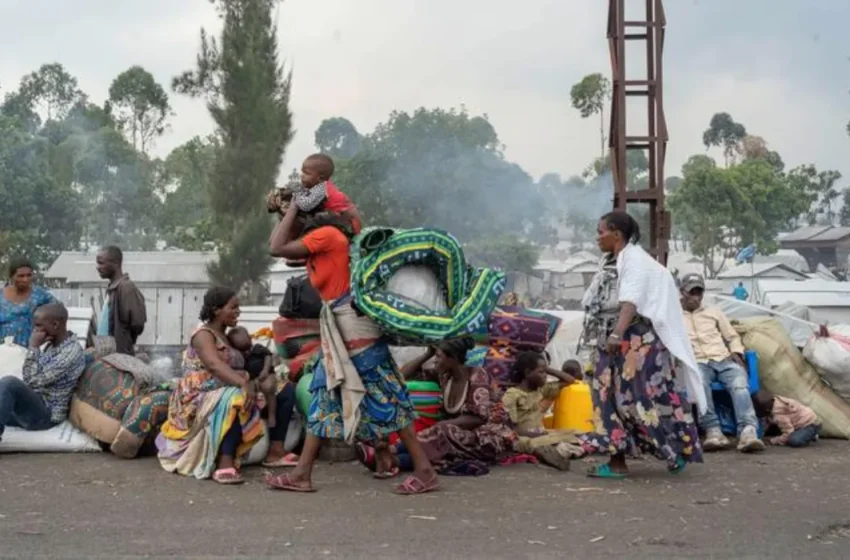
In 2025, more than one million individuals have been displaced. Newcomers in the congested camps are highly vulnerable. Women and girls are exposed to attackers due to weak policing, a lack of lighting, and other safe shelters. In most camps, humanitarian workers report survivors being attacked when gathering firewood or water, which supports the dangers of survival on a day-to-day basis.
Health System Erosion And Access Barriers
The supply routes are hampered by the conflict, putting the medical services under strain. In North Kivu there are only seven out of 34 health zones that are currently stocked with minimum of post-rape kits. Less than 15 percent of HIV survivors get post-exposure prophylaxis during the 72-hours in which it is effective. By 2024, over fifty percent of gender-based violence support centers will have been forced out of operation because of lack of funds.
Survivors’ Realities And The Social Toll
The testimonies of the survivors point to extreme trauma. Still, there are women who tell about gang rapes performed before children and enhance psychological damage. Others tell about kidnapping, sexual slavery. Long term effects are intensified by forced pregnancy, sexually transmitted infections and physical injuries and recovery is made difficult by insufficient mental health resources.
Stigma, Isolation, And Mental Health Strain
Many of the survivors keep their secret because of cultural stigma. Fear of being retaliated and shame prevents reporting and confines the victims to loneliness. Mental health workers record more cases of depression and suicidal thoughts among survivors that could not get support and/or rejection by family members.
Risks During Medical Access
Attaining treatment is dangerous. Roadblocks are common by the armed groups and attacks have been witnessed around health facilities. There are several clinics in the rural areas that are either undertrained or unavailable and the women have to go long distances without security. Families do not go with survivors in a conflict affected village as they are too scared and this discourages them to seek urgent services.
Local And International Response: Progress And Limitations
There are structural and financial impediments to efforts of dealing with sexual violence in the context of DRC conflict. Aid agencies underline the fact that unless long-term resources are provided, the gaps in medical responses will be expanded.
Funding Cuts And Operational Barriers
There is a high budget cut to sexual and reproductive health programming, such as in late 2024 massive cuts by major donors. Reduction of money limits emergency services and cripples non-mobile health teams. The closure of clinics in rural areas exposes the survivors to no possible care or reporting abuse..
Support Services And Innovative Models
Humanitarian agencies use mobile clinics, safe areas in the community, and trauma-based counseling services. Solar-powered plants have served as a means of keeping the facilities running in areas where grid power is not reliable. Such innovations however address a small percentage of risky areas.
Efforts Toward Accountability And Justice
Civil society and legal lobbyists are striving to record cases and aid in the prosecution of criminals. Dr. Mukwege and local rights networks are still demanding the use of hybrid justice systems which integrate Congolese and international expertise. The objective of that strategy is to minimise impunity and enhance national rule-of-law institutions.
Pathways Toward Protection And Recovery
To end sexual violence in the DRC conflict, the situation will not only need short-term actions but also political reforms. Medical coordination will have to increase the supply chains, stabilize electricity at health facilities, and train responders at the community level to provide urgent attention. To ensure safe access corridors to humanitarian units, it is crucial to provide scaling of services.
Community-Based Protection And Awareness
Women empowerment programs and local leader education mobilize women and work towards eliminating stigma and promoting treatment in time. Possible ways of breaking cycles of silence can be seen in survivor networks and legal aid partnerships.
Diplomatic Responsibility And Security Sector Reforms
Diplomacy on the regional level is a major issue because cross-border challenges play a vital role in the formation of militia power and the movement of resources. Safe environments can be rebuilt progressively through strengthening the accountability of the security sector, demobilization policies and community policing. Humanitarian actions are not enough to contain sexual violence or defend vulnerable groups without the political will.
Preparing For Post-Conflict Healing
The recovery process is long term and depends on the reconstruction of medical infrastructure, incorporation of psychosocial care service and restoration of livelihoods of the affected populations. The economic reintegration support and trauma-informed education programs play an important role in restoring dignity and independence among survivors.
The continued increase in sexual violence during DRC conflict is a depiction of the human cost of continued insecurity and broken governance. Fighting women and girls in eastern Congo remains an issue that drives the discussions on violence related to conflicts and accountability worldwide. The coming 2025 will become the time when humanitarian and diplomatic decisions can either keep the silence or lead to the opening of the way towards justice and healing.

