

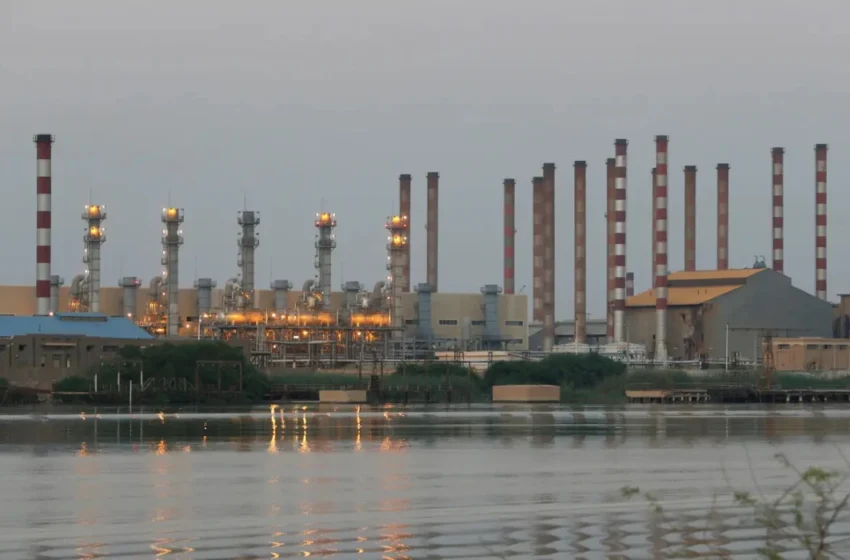
Arab Economies Surge: Diversification Shields Against Oil Volatility
The latest economic indicators show that Arab Economies Surge in 2025 with regional growth reaching approximately 3.2 percent, outpacing several global averages. This performance reflects a structural shift in which non-oil sectors increasingly offset fluctuations in energy markets. Manufacturing, services, tourism, logistics, and technology now contribute a majority share of GDP across several Gulf Cooperation Council states, signaling that diversification strategies are moving from policy aspiration to measurable impact.
Oil prices remained volatile throughout 2025, fluctuating within a wide band amid geopolitical disruptions and production adjustments. Despite these external pressures, regional economies demonstrated resilience through fiscal buffers, sovereign wealth fund investments, and expanding intra-regional trade. The growing weight of non-hydrocarbon activity has reduced exposure to short-term price swings, though energy revenues continue to play a stabilizing macroeconomic role.
Non-Oil Sector Expansion Gains Momentum
Saudi Arabia’s non-oil GDP growth accelerated in 2025, supported by infrastructure megaprojects, tourism development, and entertainment sector expansion. Large-scale initiatives under national transformation frameworks generated employment opportunities while attracting private capital into construction, technology, and services. These projects are increasingly integrated into broader industrial ecosystems rather than operating as isolated ventures.
In the United Arab Emirates, free zone reforms and digital transformation policies encouraged the entry of thousands of new companies. Logistics hubs, financial services platforms, and technology incubators strengthened the country’s position as a regional gateway. Similar diversification efforts in Qatar, Bahrain, and Oman further contributed to a collective reduction in reliance on hydrocarbons as the dominant fiscal source.
Intra-Regional Trade Strengthens Economic Shields
Trade flows within the Arab region expanded significantly in 2025, reflecting deeper economic integration. Reduced tariff barriers, improved transport corridors, and digital customs systems accelerated cross-border commerce. This growth in intra-regional trade has acted as a buffer against external demand shocks, particularly during periods of global supply chain disruptions.
Digital payment platforms and cross-border fintech solutions processed substantial transaction volumes, lowering transaction costs and enhancing liquidity circulation within the region. These mechanisms contribute to economic stability by broadening revenue streams and reinforcing regional demand.
Fiscal Reforms Reinforce Macroeconomic Stability
Fiscal consolidation measures implemented across several Arab states have strengthened public balance sheets. Budget surpluses in multiple Gulf economies during 2025 enabled sovereign wealth funds to expand their global portfolios while simultaneously supporting domestic infrastructure investment. Lower debt ratios improved credit profiles and provided room for countercyclical interventions when necessary.
Sovereign Wealth Funds as Stabilization Tools
Sovereign wealth funds played a central role in managing oil revenue volatility. By reallocating surplus revenues into diversified global assets, these funds reduced dependence on immediate hydrocarbon earnings. Investment strategies increasingly prioritize technology, renewable energy, and strategic industrial partnerships, aligning long-term capital allocation with structural diversification goals.
These funds also provide domestic economic support through co-investment in infrastructure, housing, and industrial zones. This dual strategy stabilizes national economies while reinforcing international financial integration.
IMF Programs and Structural Adjustments
Countries undergoing fiscal reform, including Egypt and Jordan, advanced stabilization programs supported by international financial institutions. Currency adjustments, subsidy reforms, and tax restructuring improved macroeconomic indicators in several North African states. Although such reforms can introduce short-term pressures, they are contributing to more sustainable fiscal frameworks.
Debt-to-GDP ratios in parts of the Gulf declined from earlier pandemic-era peaks, reflecting both revenue recovery and disciplined expenditure management. These adjustments enhance resilience against commodity-driven shocks.
Infrastructure and Digital Transformation Expand Capacity
Major infrastructure initiatives continue to reshape regional connectivity. Transport corridors, rail networks, ports, and logistics platforms reduce internal trade friction while linking production centers to global markets. These physical networks complement digital transformation efforts that streamline administrative processes and reduce bureaucratic costs.
Transportation Networks Enhance Market Access
New freight corridors and expanded port capacities have shortened delivery times and improved supply chain efficiency. Rail investments across the Gulf region are reducing reliance on road transport for heavy goods, supporting both environmental objectives and trade competitiveness.
Improved connectivity between North Africa and Gulf markets is also contributing to greater commercial integration. Cross-border infrastructure investments support industrial clustering and encourage export-oriented production.
Digital Governance and E-Commerce Growth
Government digitization initiatives accelerated in 2025, with a significant share of public services transitioning online. Cloud infrastructure expansion, cybersecurity enhancements, and electronic payment systems strengthened administrative transparency and business efficiency.
The growth of digital commerce has created new opportunities for small and medium enterprises, enabling broader participation in regional and global markets. Technology-driven sectors are increasingly central to economic diversification strategies.
Labor Market Transformation and Social Investment
Economic expansion across non-oil sectors has contributed to job creation, particularly in services, technology, and construction. Workforce localization policies in several Gulf countries have increased national participation rates in private-sector employment. At the same time, gender inclusion initiatives have expanded female labor force engagement across multiple states.
Skills Development and Youth Integration
Vocational training programs expanded during 2025 to address labor market alignment challenges. Investment in education and technical certification aims to prepare younger populations for emerging industries, including renewable energy and digital services.
Youth employment remains a policy focus in North Africa, where demographic growth continues to shape economic planning. Skill development initiatives are designed to reduce structural mismatches between education systems and labor demand.
Social Spending and Welfare Stability
Social expenditure across the region increased during 2025, funding healthcare expansion, housing programs, and targeted cash transfer initiatives. These measures aim to mitigate inequality while supporting domestic consumption, which contributes to economic resilience during external downturns.
Remittance inflows from expatriate workers also remain a significant stabilizing factor, supporting household income levels and reinforcing regional liquidity.
Energy Transition and Long-Term Positioning
Although diversification reduces dependence on hydrocarbons, oil and gas remain central to regional revenues. Production management strategies under multilateral frameworks helped stabilize markets during periods of disruption. However, geopolitical tensions and shipping route vulnerabilities in 2025 demonstrated the continued sensitivity of energy exports to external risks.
Renewable Energy Expansion Accelerates
Several Arab states expanded solar and wind capacity during 2025, supported by green bond issuances and climate financing agreements. Investments in hydrogen and low-carbon technologies align with long-term global transition trends, positioning the region to participate in emerging energy markets.
Renewable capacity growth contributes to domestic energy security while freeing hydrocarbons for export revenue optimization. This dual approach supports fiscal balance and long-term competitiveness.
Global Demand Trends Shape Strategy
While global oil demand remains substantial, forecasts suggest gradual shifts in energy consumption patterns over the next decade. Arab economies are responding by strengthening service exports, manufacturing bases, and knowledge-driven industries.
This proactive adaptation reflects a recognition that diversification is not a short-term adjustment but a structural transformation.
Regional Integration and Global Engagement
Enhanced coordination among Arab states supports collective resilience. Trade agreements, customs harmonization efforts, and infrastructure linkages contribute to regional value chain development. These initiatives strengthen bargaining power in global markets while reducing dependence on single external partners.
Multilateral Alignment Expands Influence
Participation in broader economic partnerships, including engagement with emerging economic blocs, has diversified investment sources. Foreign direct investment in technology, logistics, and renewable energy sectors reflects growing international confidence in regional reforms.
Such engagement enhances capital flows while encouraging technology transfer and innovation partnerships.
Competitive Position in Global Growth
Compared to several advanced economies experiencing slower expansion, Arab economies demonstrate comparatively stronger momentum. This performance is influencing global investment allocations, particularly in financial hubs and industrial zones.
The region’s demographic profile, infrastructure investments, and fiscal buffers collectively support continued growth potential.
Sustaining Momentum Beyond Energy Cycles
The central challenge moving forward will be maintaining reform momentum even during periods of lower oil revenues. Structural diversification requires sustained policy discipline, institutional development, and private-sector expansion. Economic resilience observed in 2025 demonstrates that reforms are beginning to yield tangible results, but long-term durability depends on consistent implementation.
As Arab economies deepen non-oil integration, expand digital infrastructure, and reinforce fiscal frameworks, the trajectory suggests growing insulation from commodity volatility. The coming years will test whether diversification efforts continue accelerating or stabilize at current levels. The balance between energy revenues and emerging sectors will determine whether this surge evolves into a durable transformation or remains dependent on favorable market cycles.

