

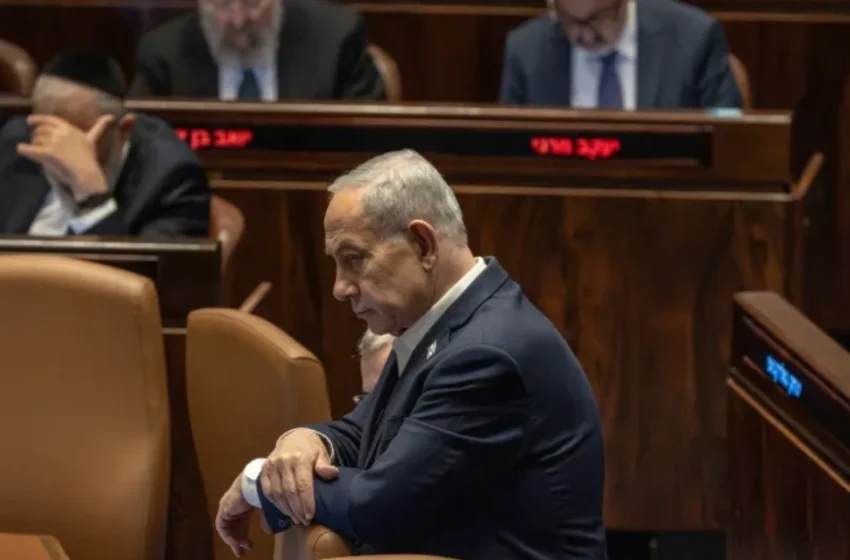
Netanyahu Defies ICC, Eyes UN Speech in New York
Israeli Prime Minister Benjamin Netanyahu is pressing ahead with plans to speak at the United Nations in New York City, despite an International Criminal Court arrest warrant hanging over him and public comments from New York Mayor Zohran Mamdani saying he is not welcome in the city. The decision places Netanyahu at the center of a politically charged transatlantic controversy that blends international law, municipal politics, and the wider war debate surrounding Israel’s conduct.
The confrontation has quickly become more than a dispute over travel plans. It has turned into a symbolic test of defiance, with Netanyahu signaling that neither legal pressure nor local criticism will deter him from appearing on one of the world’s most closely watched diplomatic stages.
What Netanyahu Is Saying
It is evident that Netanyahu is determined to travel to New York to address the United Nations in order to assert the fact of his strong-willed intentions and actions. As a leader, Netanyahu will try to defend his position before the public and strengthen his political message by challenging those people who say that his government needs to be isolated because of the crimes against Palestinians. The fact is that, according to the reported statement, Netanyahu will not treat the ICC warrant as a reason to stay away from making public appearances. It seems that the Prime Minister is going to present his image of a politician who is under pressure but does not want to be limited either by the threats of international law or by political opposition from the largest city of America.
Mamdani’s Position
New York Mayor Zohran Mamdani has taken a sharply different line, saying Netanyahu is not welcome in the city. His comments have added a local political dimension to what is otherwise an international legal and diplomatic issue, making the planned visit a flashpoint in New York itself.
This stance is a product of Mamdani’s wider criticism of Netanyahu and the Israel government during their time of war. The statement from the mayor shows how symbolism of protest and the use of legal power do not go hand in hand because the city administration cannot issue an arrest warrant for Netanyahu on its own. What makes the mayor’s statements so relevant to the story is not only their direct criticism of Netanyahu, but also the fact that the issue of the Gaza war has found itself into U.S. political discourse.
ICC Warrant And Legal Tension
The ICC arrest warrant is the central legal shadow hanging over Netanyahu’s planned visit. It has given the trip a significance that goes far beyond routine diplomacy, because any movement across borders by a sitting leader facing such a warrant raises questions about international enforcement, political protection, and the limits of legal institutions.
On the practical level, however, the warrant will not bar Netanyahu from going to New York, but rather put him into an extremely delicate situation. His presence there will inevitably attract criticism, protests, and legal discussion, particularly in such a place, where the United Nations hold their meetings and where international disagreements frequently take place. This situation also exemplifies one of the problems of international justice, where important politicians manage to travel and deliver their speeches despite any charges against them, unless any state moves to arrest them.
Political Message Behind The Trip
Netanyahu’s decision to proceed appears designed to send a message of strength. Rather than retreating from criticism, he is presenting himself as a leader who will confront his accusers in a venue where global attention is guaranteed.
The United Nations has long been a politically loaded stage for Israeli leaders, and Netanyahu has frequently used it to argue Israel’s case directly to world audiences. In this instance, the stakes are even higher because the speech comes amid war, legal pressure, and public criticism from within the United States.
The timing matters as well. By insisting on the visit, Netanyahu is not simply preserving a diplomatic engagement; he is also reinforcing a political narrative that Israel will not be pushed aside by hostile institutions or critical voices. That narrative is likely to resonate with supporters, while angering critics who see the trip as a challenge to accountability.
Why New York Matters
The special significance of the city of New York in this episode comes from the very fact that it is the headquarters of the UN and one of the most politically active cities in the world. Therefore, an appearance of Netanyahu there is not just a regular event for the foreign policy agenda; it is the performance held in the presence of journalists, diplomats, activists, and demonstrators. Political figures in New York matter as well. Public statements of the mayor regarding the fact that a foreign official is unwanted there contribute to the local dimension of the global problem in question. In the current situation, Mamdani’s speech makes the New York visit a direct confrontation of the city’s authorities with the sitting head of state. Thus, this event is no longer a symbolical action but a situation when international law, protest politics, and diplomatic practice come together in the most visible city in the world.
Broader Diplomatic Fallout
The controversy surrounding Netanyahu’s plan is likely to reverberate well beyond New York. His appearance at the United Nations could deepen political divisions over the war, sharpen criticism from rights advocates, and intensify debate over how the international community treats leaders accused of grave violations.
At the same time, supporters of Netanyahu may view the visit as proof that he remains willing to defend Israel’s position in the most hostile forums. That contrast is central to the political meaning of the trip: for critics, it is defiance in the face of accountability; for supporters, it is an assertion of sovereign legitimacy and resolve.
The episode also shows how diplomacy in the current era is increasingly shaped by media confrontation. A speech at the UN is no longer just a formal address. It is a performance measured instantly through headlines, reactions, social media, and protest footage, all of which can amplify the political stakes.
The Larger Significance
The significance of Netanyahu’s speech lies in the convergence of law, politics, and war. The warrant from the ICC endows the trip with a legal dimension, Mamdani’s critique adds a political local dimension, and the UN forum adds an international dimension. This gives the story a greater significance than simply being about whether Netanyahu is able to make the trip. Rather, the story is about the significance of such a move on a time of intense global polarization regarding Israel, Gaza, accountability, and immunity. The consequence of all this is that the upcoming event will draw the attention of people far outside the confines of the UN forum. No matter how the trip ends, politically the significance has already been decided – Netanyahu is moving ahead despite the critics.

