

GCC Tourism Boom: Resilient Amid Iran Aggression Threats?
The recent surge in tourism across the Gulf Cooperation Council reflects a structural shift in regional economic strategy, where diversification beyond hydrocarbons is translating into measurable gains. By 2026, tourism revenues reached approximately $120 billion, supported by over 70 million international arrivals, marking a decisive recovery from pandemic-era contractions and exceeding pre-2019 benchmarks.
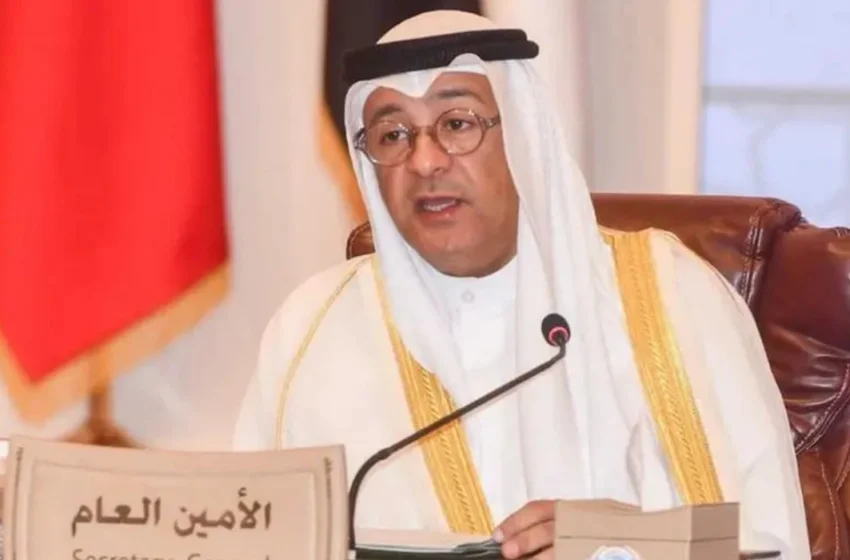
This expansion coincides with heightened geopolitical tensions, particularly involving Iran, whose alleged targeting of regional infrastructure has prompted security reassessments. Despite these pressures, GCC tourism ministers have emphasized continuity, framing resilience not as a temporary response but as a built-in feature of the sector’s evolving model.
Revenue Growth Outpaces Global Recovery Trends
Tourism performance in the GCC has outpaced global averages, with visitor numbers and spending increasing at a faster rate than many established destinations. The growth trajectory suggests that regional strategies, including aggressive marketing and infrastructure investments, are yielding sustained returns.
Average visitor expenditure has also risen, driven by a focus on premium experiences, cultural tourism, and large-scale events. This shift toward higher-value tourism strengthens revenue stability even during periods of external uncertainty.
Visitor Confidence Persists Despite Security Concerns
Perception surveys conducted in early 2026 indicate that traveler confidence remains largely intact. While geopolitical developments influence media narratives, on-the-ground security measures and rapid-response capabilities have mitigated direct impacts on tourism flows.
The ability to maintain high occupancy rates in key destinations demonstrates that risk management frameworks are functioning effectively, reinforcing the sector’s credibility among international travelers.
Infrastructure Expansion Anchors Long-Term Tourism Capacity
Massive infrastructure development across GCC states has played a central role in supporting tourism growth. Investments in airports, hospitality, and digital platforms have expanded capacity while improving the overall visitor experience.
These developments are not isolated projects but part of coordinated national strategies designed to position the region as a global tourism hub.
Airport Networks Enhance Regional Connectivity
Air transport infrastructure has expanded significantly, with major hubs in cities like Dubai and Riyadh increasing passenger handling capacity. New terminals and route expansions have reduced bottlenecks and improved accessibility for long-haul travelers.
Enhanced connectivity also supports intra-regional tourism, allowing visitors to move seamlessly between GCC destinations, thereby extending their stays and increasing overall spending.
Hospitality Sector Diversification Strengthens Offerings
The expansion of hotel capacity, including luxury resorts and mid-range accommodations, has broadened the region’s appeal. Investments in niche segments such as eco-tourism and business travel have diversified the visitor base.
This diversification reduces reliance on any single market segment, making the tourism ecosystem more adaptable to external shocks.
Iran-Linked Threats Test Sector Resilience
The backdrop of rising tensions involving Iran has introduced new variables into the tourism equation. Reports of attacks targeting infrastructure, including ports and energy facilities, have heightened security awareness across the region.
GCC ministers have condemned such actions, describing them as threats to civilian and economic stability, while simultaneously reaffirming commitments to safeguard tourism assets.
Security Measures Reinforce Destination Stability
In response to these threats, GCC countries have strengthened security protocols across key tourism sites. Enhanced surveillance, coordination among security agencies, and contingency planning have been prioritized.
These measures aim to ensure that tourism operations continue uninterrupted, even in the face of regional instability. The effectiveness of these protocols is reflected in the minimal disruption to visitor flows.
Insurance and Risk Management Adapt to New Realities
Insurance frameworks have evolved to address emerging risks, including temporary increases in premiums linked to regional tensions. Governments and private sector stakeholders have collaborated to develop risk-sharing mechanisms that protect investments.
Such adaptations demonstrate a proactive approach, where risk is managed rather than avoided, allowing the sector to maintain momentum.
Economic Diversification Gains Momentum Through Tourism
Tourism’s contribution to GCC economies has grown significantly, reinforcing its role as a cornerstone of diversification strategies. Projections indicate continued expansion, with tourism expected to account for a substantial share of GDP in the coming decade.
This shift has broader implications, influencing employment, investment patterns, and fiscal stability across member states.
Job Creation and Workforce Development Expand
The sector has generated millions of jobs, both directly and indirectly, across industries such as hospitality, transport, and retail. These opportunities are particularly significant for youth employment, addressing long-standing demographic challenges.
Training programs and workforce development initiatives have been introduced to enhance service quality, aligning with global standards and improving competitiveness.
Spillover Effects Strengthen Related Industries
Tourism growth has stimulated activity in construction, aviation, and entertainment sectors. Large-scale projects, including cultural districts and event venues, have created new economic ecosystems.
These spillover effects amplify the impact of tourism, making it a catalyst for broader economic transformation.
Strategic Coordination Enhances Regional Stability
Coordination among GCC states has been a defining feature of the tourism boom. Joint initiatives, including unified branding and policy harmonization, have strengthened the region’s collective appeal.
This collaborative approach contrasts with fragmented tourism strategies seen in other regions, offering a competitive advantage.
Policy Alignment Facilitates Seamless Travel
Efforts to streamline visa processes and standardize regulations have reduced barriers for travelers. Digital platforms enable rapid approvals, improving convenience and encouraging repeat visits.
Such policy alignment supports intra-regional tourism, which has seen significant growth in recent years.
Crisis Response Frameworks Build Confidence
Joint crisis management mechanisms allow for coordinated responses to disruptions, whether caused by geopolitical events or natural disasters. These frameworks were tested during 2025 security incidents, demonstrating their effectiveness.
The ability to respond quickly and collectively enhances investor confidence and reassures travelers.
2025 Developments Laid Foundations for Current Growth
The strong performance in 2026 builds on momentum established in 2025, when tourism metrics already showed significant recovery. Key milestones during that year included increased international arrivals and expanded marketing campaigns targeting emerging markets.
These developments created a foundation that allowed the sector to absorb subsequent shocks without losing trajectory.
Market Diversification Reduces Dependence on Traditional Sources
A notable shift has been the growing share of visitors from Asia, particularly from China and India. This diversification reduces reliance on European markets and broadens the region’s global reach.
Marketing strategies tailored to these markets have contributed to sustained growth, even as global travel patterns evolve.
Sustainability Initiatives Enhance Competitive Position
Environmental considerations have become increasingly important, with many GCC destinations adopting sustainable practices. Green certifications and eco-friendly projects appeal to environmentally conscious travelers.
These initiatives not only support long-term sustainability but also enhance the region’s brand as a forward-looking tourism destination.
The GCC tourism boom reflects a complex interplay between economic ambition and geopolitical reality, where resilience is tested not in isolation but through continuous adaptation. As regional tensions persist and global travel patterns evolve, the sector’s ability to sustain growth will depend on whether its integrated strategies can absorb future shocks while maintaining the confidence that has driven its current ascent.

