

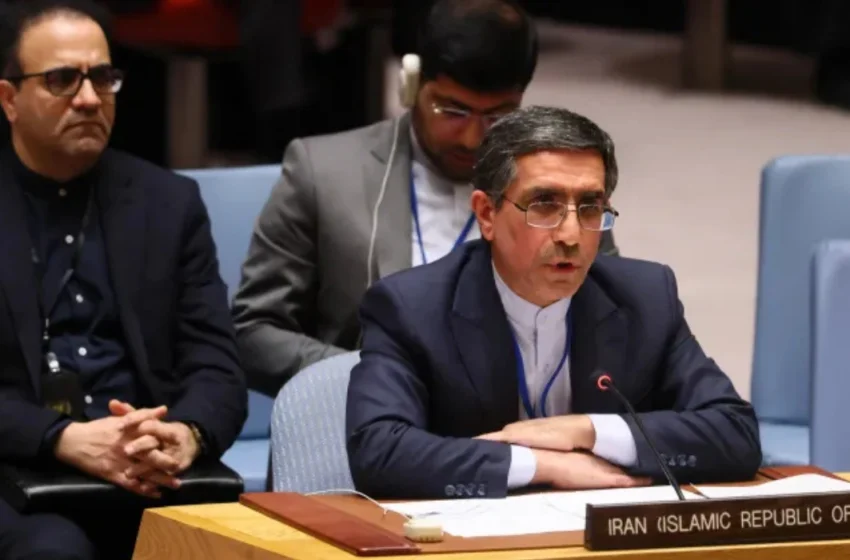
Iran’s UN Rights Seat: Mockery of Global Accountability Standards?
Iran’s elevation to a key United Nations oversight body has intensified debate over the credibility of global governance systems. Iran’s UN rights seat, reflects broader concerns about how states with contested human rights records gain influence within institutions tasked with shaping international norms. The nomination to the Committee for Programme and Coordination places Tehran in a position to oversee budgetary and policy frameworks tied to human rights, development, and disarmament.
The controversy is sharpened by recent data. In 2025, Iran carried out more than 900 executions, according to international monitoring groups, while hundreds of activists remained imprisoned. Critics argue that such figures directly contradict the standards expected of states involved in shaping rights-related programs. Observers such as Hillel Neuer described the appointment as a structural contradiction, warning that it risks weakening institutional credibility.
Execution Trends Intensify Concerns Over Accountability
Iran’s domestic record has become central to the debate, particularly regarding the scale and nature of capital punishment. The persistence of high execution rates has reinforced concerns that accountability mechanisms remain insufficient when political considerations dominate selection processes.
Per Capita Execution Rates and Legal Practices
Iran continues to rank among the highest globally in executions per capita, with charges such as “enmity against the state” frequently applied to dissent. The surge in 2025 followed renewed crackdowns linked to protests that emerged after the death of Mahsa Amini. These developments have sustained international scrutiny, especially as judicial transparency remains limited.
Reports indicate that public executions and expedited legal proceedings persist, raising questions about due process. Despite repeated calls from international bodies, reforms have remained incremental, with enforcement gaps continuing to define the system.
Detention of Activists and Civil Society Pressure
More than 500 activists and rights defenders remain in detention, many facing charges related to national security or propaganda. Facilities such as Evin Prison have been repeatedly cited in reports alleging mistreatment and coercive interrogation practices.
In 2025, limited amnesty measures resulted in the release of a small number of detainees, but the broader pattern of arrests persisted. This environment has fueled arguments that Iran’s role in oversight bodies could constrain independent scrutiny rather than enhance it.
Selection Mechanisms Reveal Structural Weaknesses
The pathway through which Iran secured its position has drawn attention to systemic issues within United Nations election procedures. The absence of competitive slates and enforceable eligibility criteria has allowed politically sensitive appointments to proceed without meaningful challenge.
Uncontested Elections and Institutional Norms
The Committee for Programme and Coordination operates under the authority of United Nations Economic and Social Council, where member states often agree on candidates through regional group arrangements. In Iran’s case, the absence of opposition candidates enabled selection by consensus rather than contest.
This practice reflects a broader pattern. Analysts estimate that a significant share of seats across UN subsidiary bodies are held by states facing criticism over rights practices. While General Assembly guidelines emphasize high standards, enforcement remains largely voluntary.
Parallel Trends Across UN Bodies
Iran’s appointment coincides with similar developments in other committees, including the Committee on Non-Governmental Organizations. These patterns suggest that bloc voting and diplomatic trade-offs continue to shape outcomes more than normative benchmarks.
In 2025, several states with contested records secured positions in key bodies without competitive elections. This trend has reinforced concerns that procedural norms are insufficient to ensure alignment with stated principles.
Diverging International Reactions Reflect Geopolitical Divides
The response to Iran’s UN rights seat has exposed deep divisions among member states. While Western governments and advocacy organizations have voiced strong objections, others have defended the outcome as a reflection of sovereign equality within the multilateral system.
Western Criticism and Advocacy Group Responses
Officials from the United States and allied countries have argued that Iran’s record undermines its suitability for oversight roles. Advocacy organizations have echoed these concerns, warning that such appointments risk normalizing rights violations.
Statements from monitoring groups emphasize the symbolic and practical implications. By influencing budget allocations and program priorities, committee members can shape the scope and direction of rights initiatives. Critics argue that this influence could be used to dilute scrutiny or redirect attention away from sensitive issues.
Sovereignty Arguments and Multipolar Framing
Iran has rejected criticism, framing its nomination as a legitimate exercise of sovereign participation. Officials argue that the UN system must reflect a multipolar world, where no single bloc dictates standards.
Support from some member states reflects a broader push against what is perceived as selective application of human rights principles. This perspective emphasizes the need for inclusivity and balance, even when records are contested.
Regional Conflicts Amplify Timing and Perception
The timing of Iran’s appointment has heightened its political significance, particularly in light of ongoing regional tensions. Tehran’s involvement in conflicts across the Middle East has become part of the broader critique surrounding its international role.
Links to Proxy Conflicts and Strategic Influence
Iran’s support for allied groups in regions such as Yemen and Lebanon has drawn scrutiny from UN panels. These reports, particularly in 2025, documented continued arms transfers and logistical support despite existing sanctions frameworks.
Critics argue that participation in oversight bodies could allow Iran to shape discussions related to these conflicts, including funding priorities and reporting mechanisms. This potential overlap between national interests and institutional roles remains a central concern.
Domestic Repression and External Policy Intersections
The continuation of domestic repression alongside regional engagement reinforces the perception of inconsistency. Developments following the protests linked to Mahsa Amini have remained a focal point, with arrests and executions continuing into 2025.
This dual dynamic complicates diplomatic engagement. While some states prioritize dialogue and inclusion, others view the situation as evidence that stronger accountability measures are required.
Reform Debates Highlight Persistent Governance Gaps
Iran’s UN rights seat has revived longstanding debates over reforming the selection processes of UN bodies. Despite repeated calls for change, progress has remained limited due to competing political interests.
Limitations of Existing Accountability Frameworks
General Assembly resolutions outline expectations for member conduct, yet lack enforcement mechanisms. This gap allows states to participate in oversight roles regardless of their domestic records.
Efforts in 2025 to introduce stricter vetting procedures encountered resistance from a broad coalition of states. Concerns over politicization and sovereignty have consistently blocked proposals for binding criteria.
Emerging Alternatives and Parallel Mechanisms
In response to these limitations, some countries have explored alternative platforms for advancing human rights agendas. Initiatives within smaller multilateral groups and regional organizations have gained traction, aiming to bypass procedural constraints.
At the same time, civil society organizations have adapted by engaging more directly with special rapporteurs and independent mechanisms. These channels offer a degree of flexibility, though they lack the institutional authority of formal committees.
2025 Developments Shape the Current Debate
The trajectory leading to Iran’s appointment is closely tied to developments in 2025, when execution rates rose sharply and diplomatic tensions intensified. These factors have framed the current debate as part of a broader pattern rather than an isolated incident.
Monitoring data from that period highlighted increased enforcement actions within Iran, alongside continued resistance to external scrutiny. At the same time, geopolitical alignments within UN bodies became more pronounced, with voting patterns reflecting strategic alliances.
This convergence of domestic and international dynamics has reinforced the perception that institutional outcomes are increasingly shaped by power politics rather than normative standards.
Institutional Credibility Faces a Critical Test
Iran’s UN rights seat encapsulates a broader tension within the multilateral system, where principles of inclusivity and sovereignty intersect with demands for accountability. The appointment has not only intensified scrutiny of individual states but also prompted deeper questions about the structures that govern international decision-making.
As debates continue, the effectiveness of existing mechanisms will likely remain under close observation. Whether reforms emerge or current practices persist will shape how credibility is assessed in future appointments. The evolving balance between political realities and normative expectations suggests that the issue extends beyond any single case, pointing toward a longer-term reassessment of how global governance institutions define and enforce their own standards.

