

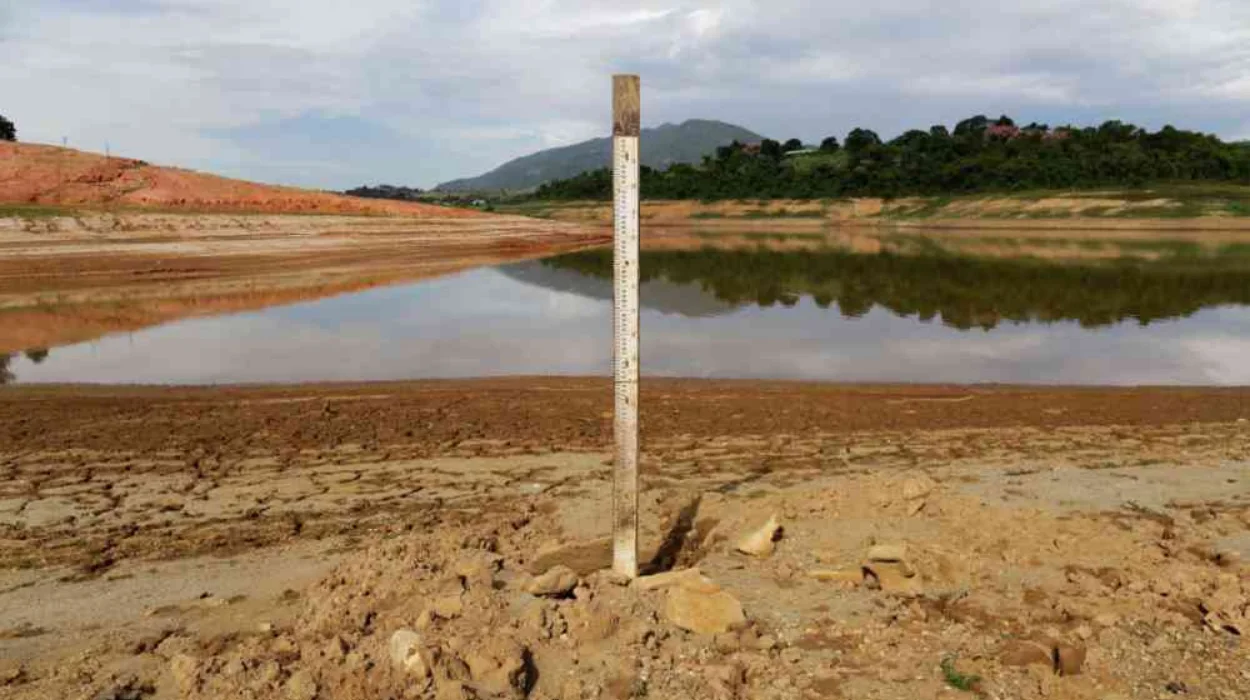
The Central American Dry Corridor stretches across parts of Guatemala, Honduras, El Salvador, Nicaragua, and Costa Rica, forming one of the most climate-exposed regions in the Western Hemisphere. Characterized by erratic rainfall and prolonged dry spells, the area has become increasingly vulnerable as global temperatures rise and seasonal weather patterns destabilize.
Since 2014, the region has experienced repeated drought cycles, including severe episodes between 2018 and 2019 and renewed stress during 2023–2025. These shifts are not isolated anomalies but part of a broader climate trajectory that is altering agricultural viability and water availability. For rural communities dependent on predictable rainfall, this change represents a structural disruption rather than a temporary hardship.
Agricultural Collapse and Livelihood Erosion
Agriculture remains the backbone of the Dry Corridor’s rural economy, yet it is also the sector most exposed to climate variability. Smallholder farmers, reliant on rain-fed maize and beans, face repeated crop failures that undermine both food security and income stability.
Crop Losses and Food Insecurity
Data from Food and Agriculture Organization indicates that in peak drought periods, crop losses can reach between 50 and 90 percent in the most affected municipalities. These losses translate directly into food shortages, forcing households to reduce consumption or rely on external assistance.
By 2025, humanitarian agencies reported that millions across the Dry Corridor required food aid, with malnutrition rates rising among children. The inability to recover between drought cycles compounds the crisis, leaving families with diminishing resilience.
Economic Fragility of Rural Households
Beyond food production, agriculture provides the primary source of income for many households. When crops fail, families are pushed into debt, often borrowing at high interest rates to sustain basic needs.
This economic fragility creates a feedback loop where each failed harvest deepens vulnerability. Without access to credit, insurance, or alternative livelihoods, communities are left with limited options to stabilize their economic conditions.
Climate-Driven Displacement and Migration Patterns
The link between environmental stress and human mobility has become increasingly visible in the Dry Corridor. Migration is no longer solely driven by economic opportunity but by the necessity to escape deteriorating living conditions.
Internal Migration Toward Urban Centers
Within countries, affected populations are moving from rural areas to secondary cities and capital regions. Governments and international organizations report rising internal displacement linked directly to climate stressors such as drought and heat.
These movements place additional pressure on urban infrastructure, where housing, employment, and public services are often already overstretched. The shift also reflects a broader transformation in settlement patterns across Central America.
Cross-Border Migration and Regional Impact
Many households ultimately pursue migration beyond national borders, particularly toward North America. Studies published between 2024 and 2025 highlight that climate-related factors are increasingly cited as a primary reason for migration.
Remittances sent back by migrants have become a critical lifeline for families remaining in the Dry Corridor. However, this reliance introduces new vulnerabilities, as migrants face legal uncertainty, exploitation risks, and unstable working conditions abroad.
The Intersection of Climate, Security, and Governance
The Dry Corridor’s vulnerability cannot be understood through environmental factors alone. It is shaped by overlapping challenges related to governance, security, and social inequality.
Violence and Rural Instability
In regions of Honduras and Guatemala, climate-affected areas overlap with zones experiencing high levels of violence and organized crime. Economic desperation linked to crop failure can increase susceptibility to recruitment by criminal networks.
Youth in particular face limited opportunities, making illicit activities more attractive in the absence of viable alternatives. This dynamic creates a compound risk environment where climate stress and insecurity reinforce each other.
Governance Gaps and Limited State Capacity
Government responses have included initiatives such as drought-resistant crops, irrigation systems, and early warning mechanisms. However, implementation remains uneven due to limited resources and administrative constraints.
Many remote communities lack access to these programs, leaving them disproportionately exposed. Weak institutional capacity further complicates efforts to deliver consistent support, particularly in regions with longstanding governance challenges.
Regional and International Responses
Efforts to address the Dry Corridor crisis have increasingly focused on integrated approaches that combine climate adaptation, development, and migration management.
Climate Adaptation Initiatives
Organizations such as the United Nations Environment Programme and the International Organization for Migration have supported projects aimed at improving agricultural resilience. These include soil conservation, water management, and climate-smart farming techniques.
Regional frameworks led by the Central American Integration System have also prioritized the Dry Corridor, directing funding toward infrastructure and environmental restoration.
Challenges in Funding and Coordination
Despite these efforts, funding gaps remain a significant obstacle. International climate finance often prioritizes large-scale national projects, leaving localized, high-risk areas underfunded.
Coordination between governments, NGOs, and international agencies is another persistent challenge. Without cohesive strategies, interventions risk being fragmented and insufficient to address the scale of the crisis.
Long-Term Implications for the Dry Corridor
The trajectory of the Dry Corridor points toward a future where climate stress becomes increasingly entrenched. Projections from regional research institutions indicate a continued decline in rainfall and a rise in extreme heat events.
These changes threaten to push traditional farming systems beyond their limits, forcing communities to either adapt through significant transformation or abandon agriculture altogether. The implications extend beyond the region, influencing migration patterns, economic stability, and regional security dynamics.
As climate pressures intensify, the Dry Corridor is emerging as a critical test case for how environmental change reshapes human systems. The choices made by governments, international actors, and local communities will determine whether the region evolves toward resilience or remains caught in a cycle where drought and displacement define the future.
